The Passage
The Quiet Coast & the Hills
12 nightsNov–Mar

The Quiet Coast & the Hills

Real kitchens, the classical-arts heartland, the working water and a fishing coast, not a list of sights.

Every day here is a real experience we arrange ourselves, not a stop on a map. It moves from the trading lanes of old Kochi up into the coffee hills, down to the classical-arts heartland on the river Nila, through the working backwaters and out to a fishing coast. What you remember is whose kitchen you cooked in and whose loom you sat at.

For A first, unhurried Kerala, met through its food cultures and its people.

Days 1–3·Fort Kochi & Mattancherry

The trading town's layered tables
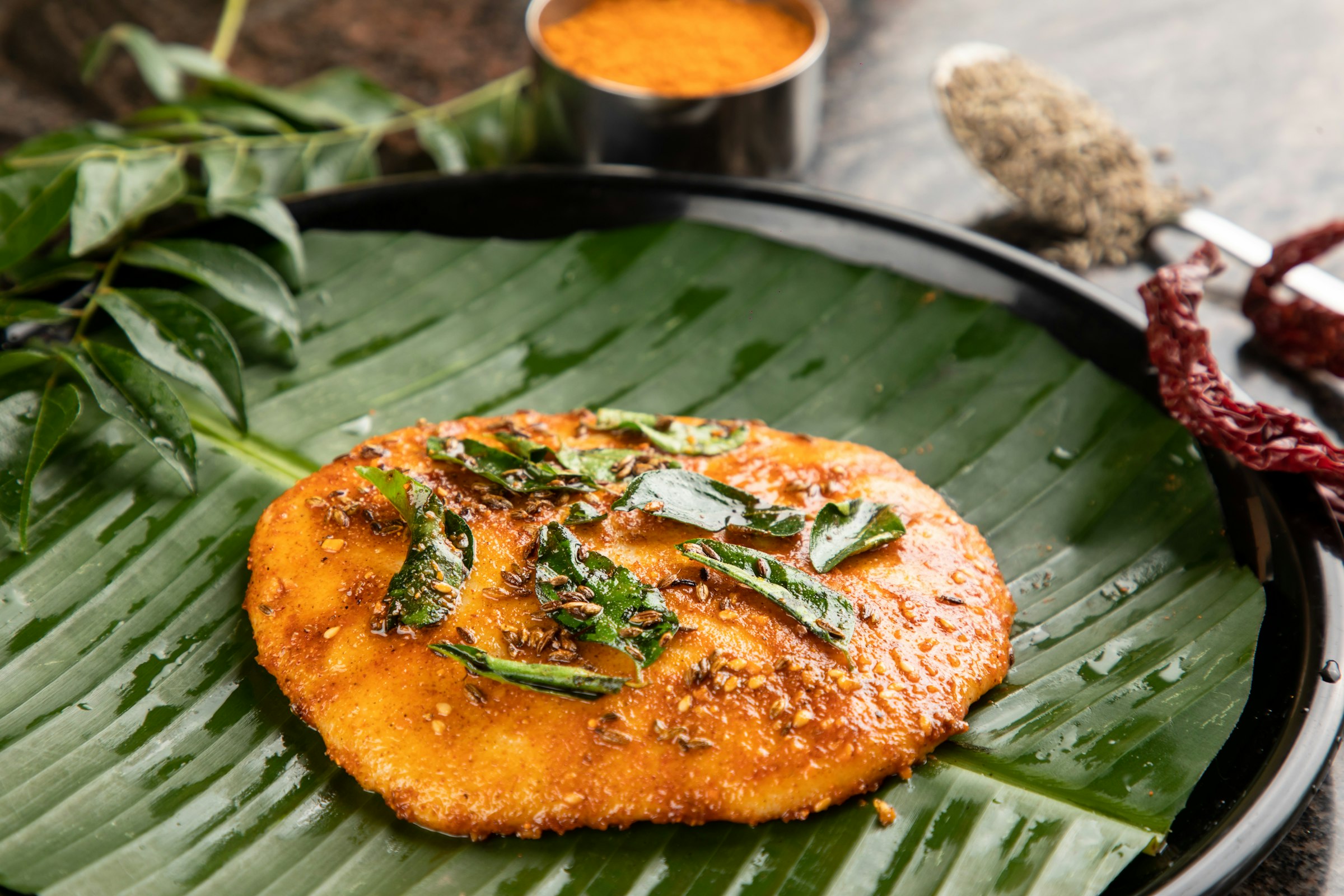
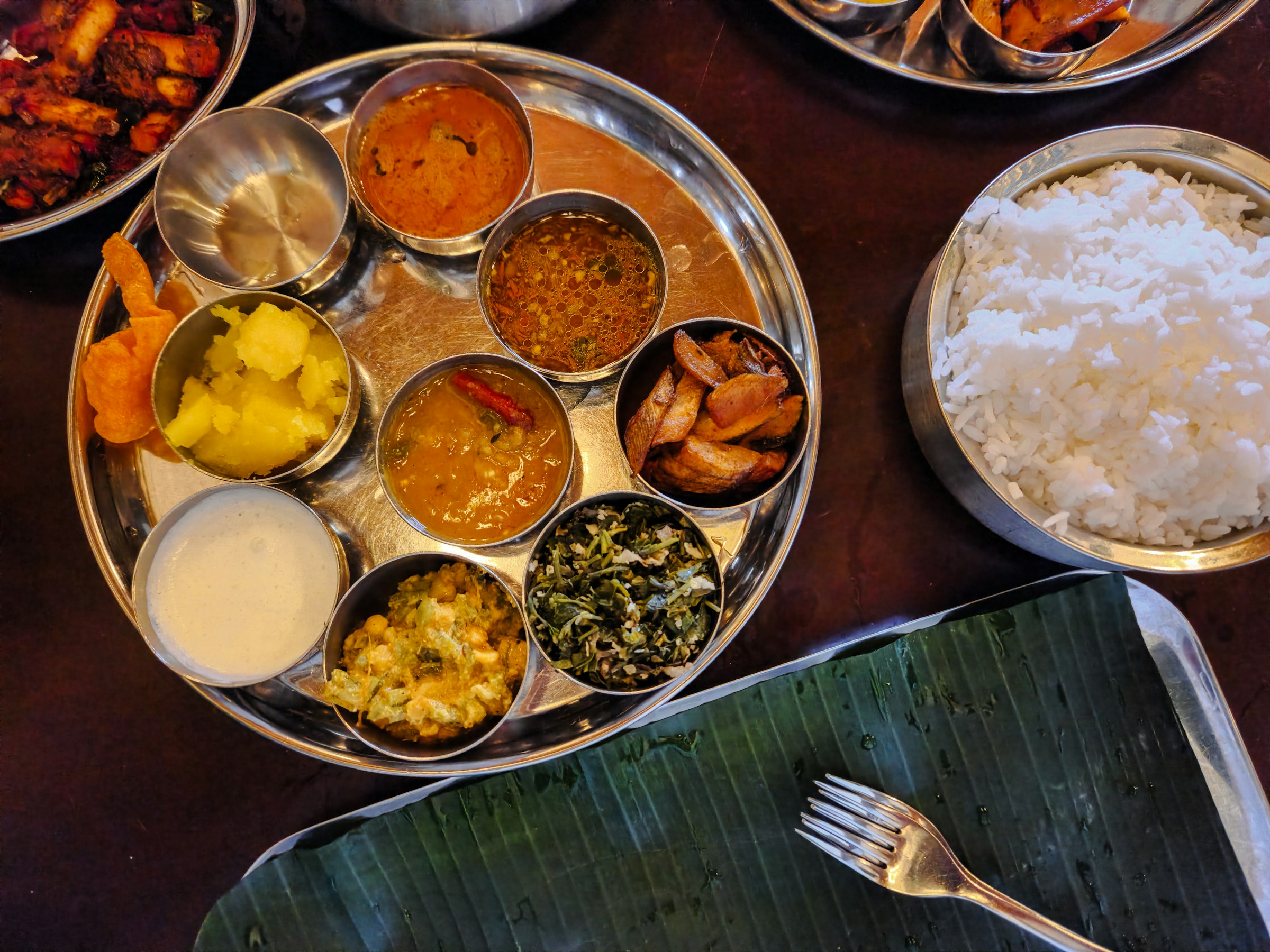
Malabar food

Old Mattancherry packs a dozen migrant merchant communities into a few streets, each with its own temple or mosque and its own cuisine: Kutchi Memon, Gujarati, Konkani, Tamil Brahmin. You eat through the back lanes with someone who belongs to them, and a Syrian Christian family cooks appam and duck the way they would for their own feast day.

What you’ll actually do
  • A back-lane food walk of Mattancherry's merchant communities: Kutchi biryani, Gujarati sweets, Konkani pathrode
  • The legendary Kayees (Kayikka's) biryani, before it sells out
  • A Syrian Christian home lunch: appam, duck mappas, karimeen pollichathu
  • The 16th-century Mattancherry Palace murals, read panel by panel
Days 4–6·Wayanad

Firewood kitchens and the growers' hills

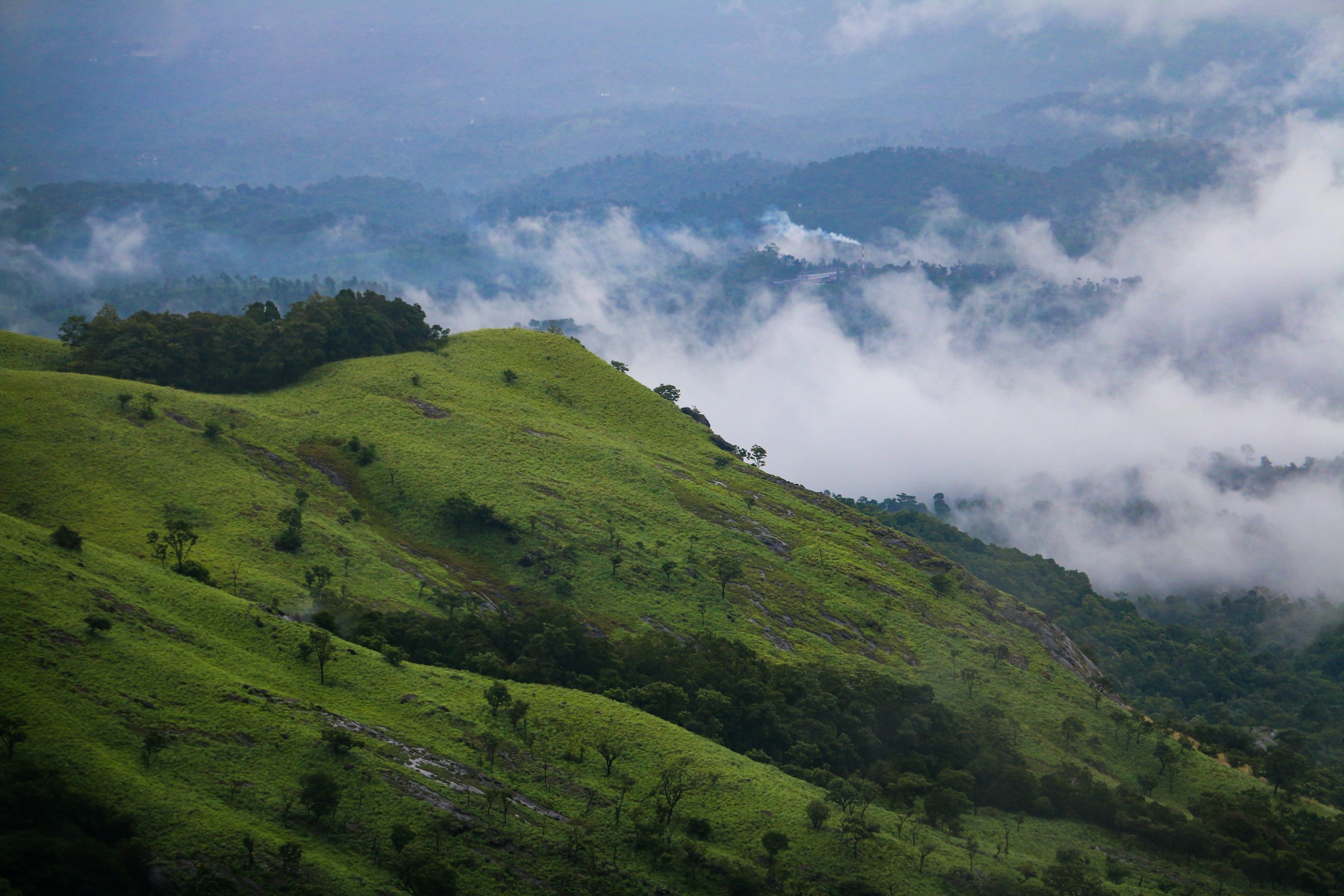
The hills of Wayanad

In the hills the food comes straight off the land. You walk a shade-grown smallholding where coffee, pepper and cardamom share one acre with the family that farms it, and cook over a wood fire in a farmhouse: the scented Gandhakasala rice, wild greens, nothing elaborate. Honey comes from the Kattunaikka, the forest's master honey-hunters, through their own co-operative.

What you’ll actually do
  • Walk a coffee-pepper-cardamom smallholding and cup the coffee at source
  • Cook over firewood with a farming family: Gandhakasala rice, wild greens
  • Wayanad honey through a Kattunaikka tribal co-operative, ethically
  • The 6,000-year-old Edakkal cave carvings, at opening
Days 7–8·The Nila · Cheruthuruthy

A day with the masters, on the poets' river

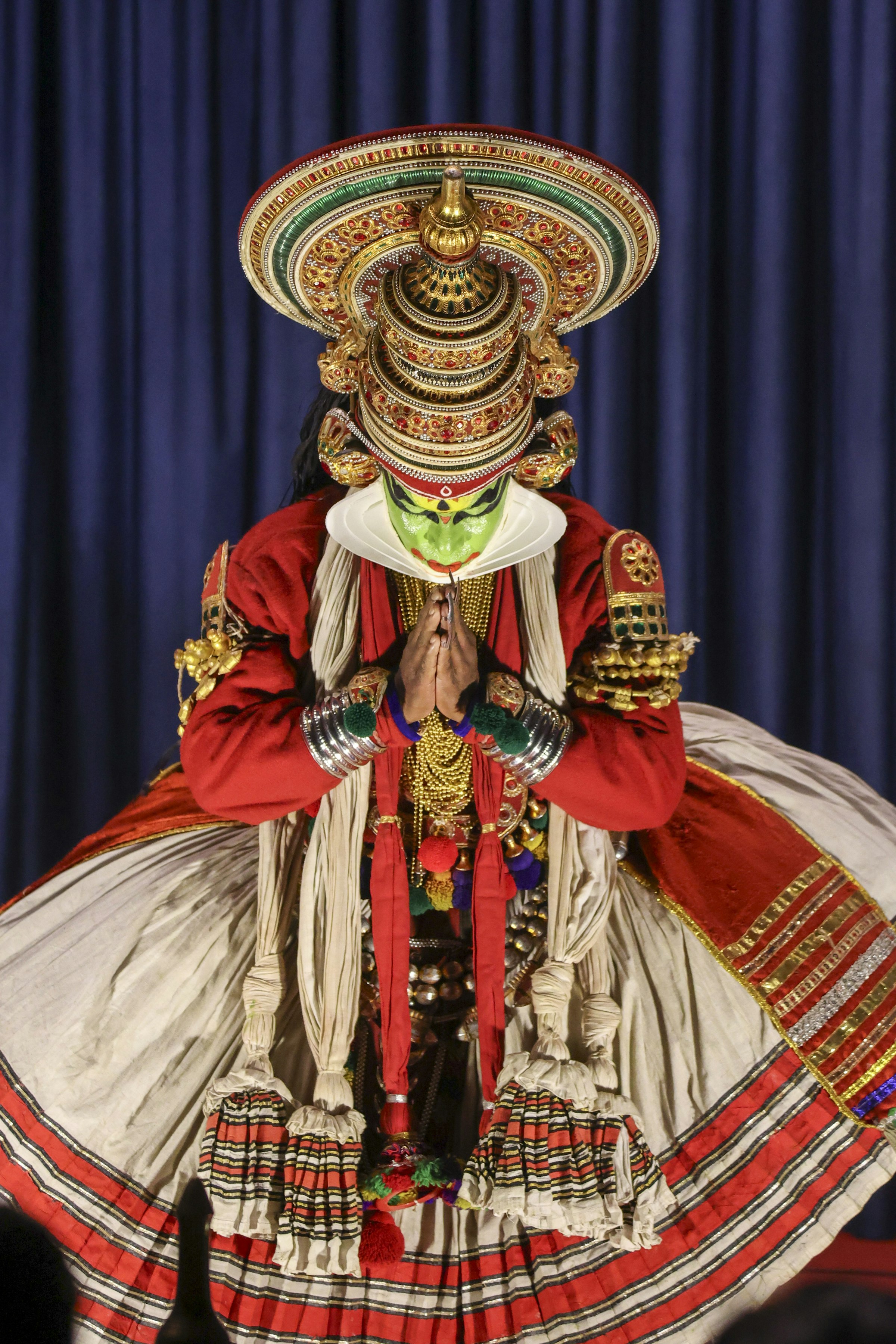
A Kathakali performer

Down onto the Bharathapuzha, the river known as the Nila, the cultural heartland of Kerala and the true home of its classical arts. At Kerala Kalamandalam you spend a morning inside the gurukula as Kathakali, Kutiyattam and the great drums are actually taught, in the koothambalam, not staged for an audience. This is the real thing the Fort Kochi tourist shows only imitate.

What you’ll actually do
  • 'A Day with the Masters' at Kerala Kalamandalam: live training, up close
  • Kutiyattam, the 2,000-year-old Sanskrit theatre, with a Chakyar family at Irinjalakuda
  • The ghats of the Nila and the poet Vallathol's legacy
  • An all-night temple Kathakali, if the festival calendar allows
Days 9–11·The backwaters, the real ones

A fisherman's water and a toddy-shop lunch

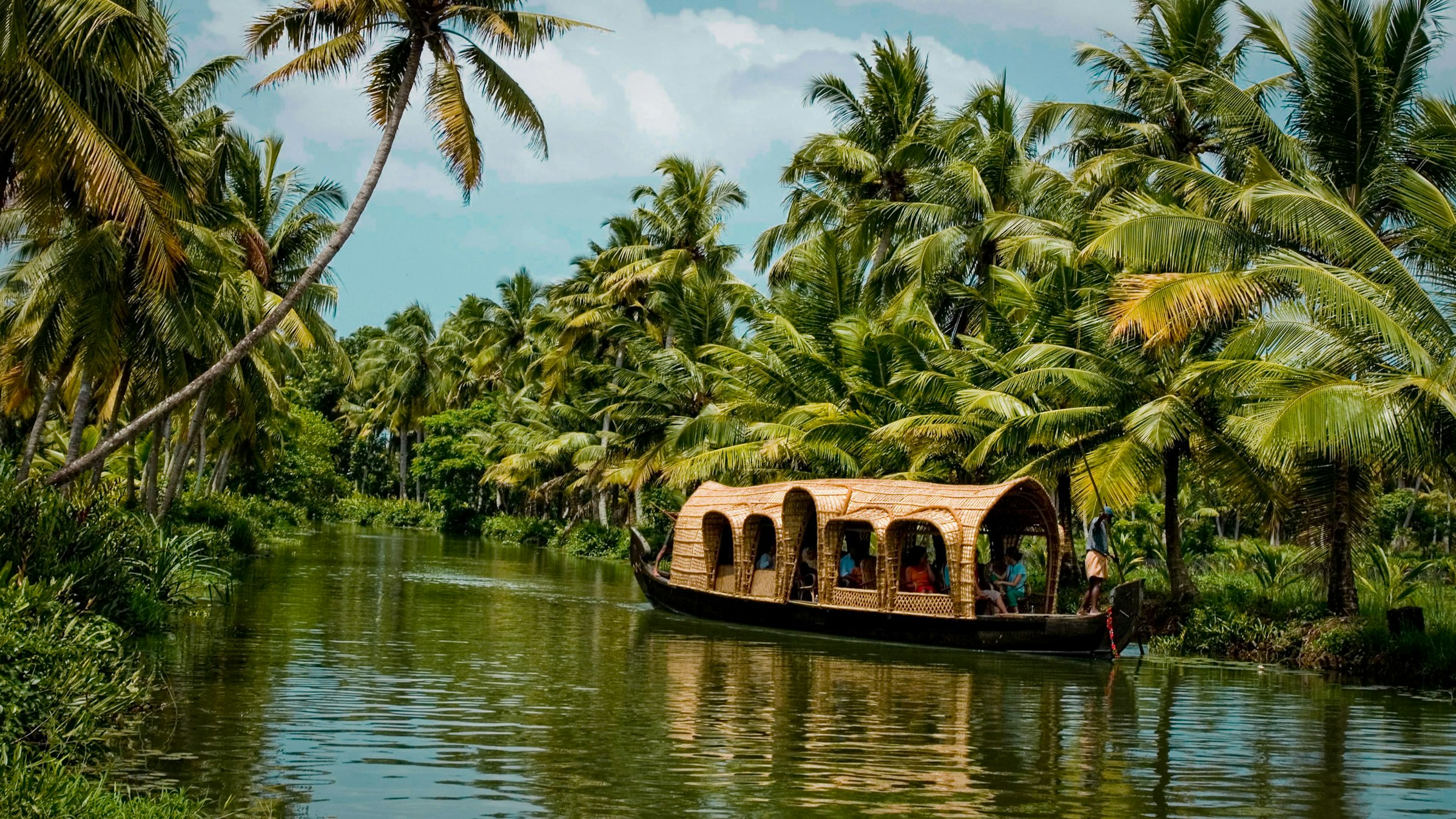
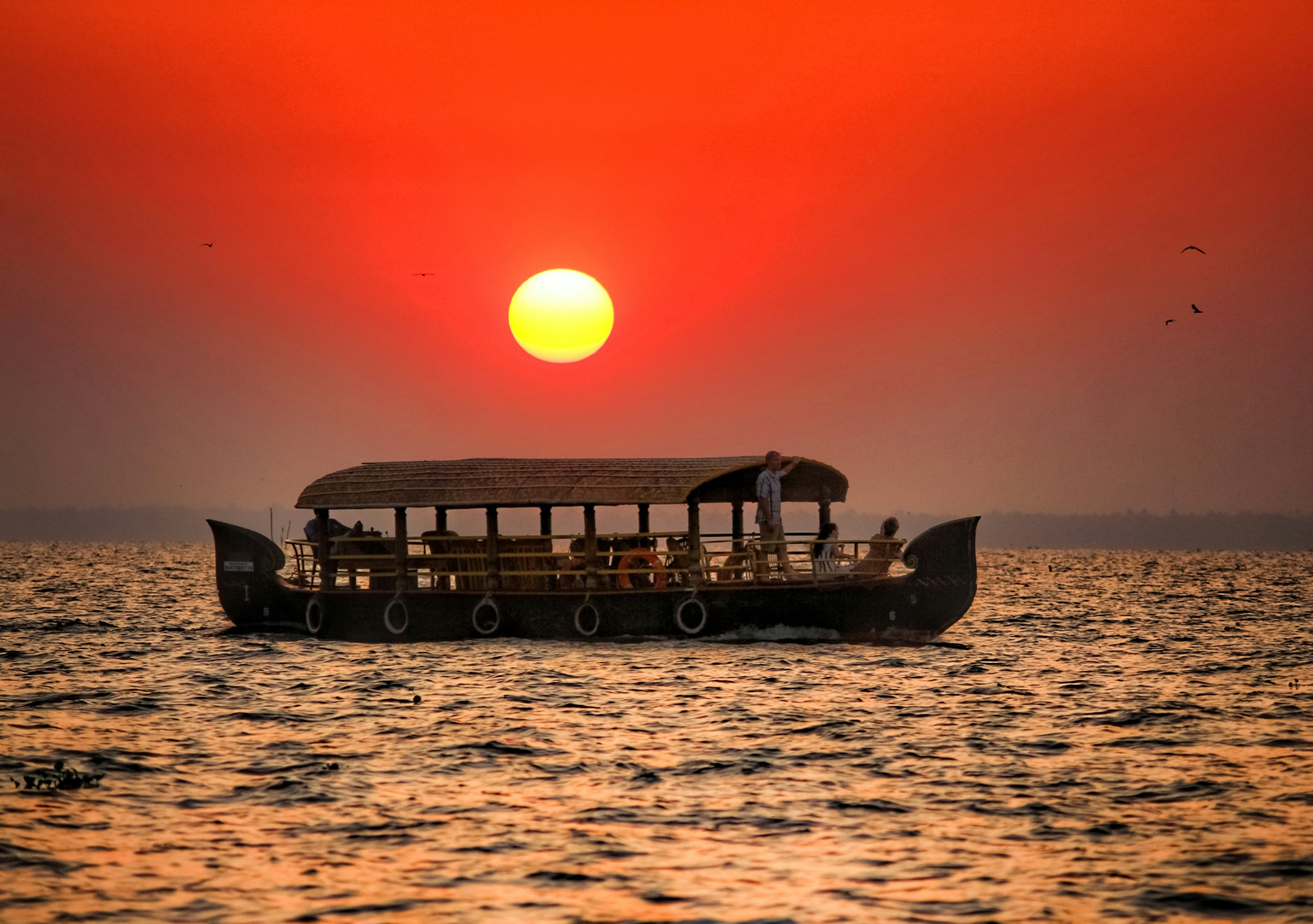
Not the diesel houseboat highway but the water behind it. You pole the narrow Kuttanad canals at dawn by country canoe, past paddy farmed below sea level, coir yards and toddy palms, and pull karimeen from the net. Lunch is a genuine kallu shappu, the backwater toddy shop that is Kerala's original gastropub: kappa and fierce fish curry, a Kuttanad duck roast, fresh palm toddy.

What you’ll actually do
  • Dawn country canoe through the narrow Kuttanad village canals
  • A real kallu shappu (toddy-shop) lunch: kappa, meen curry, duck roast
  • Karimeen pollichathu, grilled in banana leaf
  • The below-sea-level paddy and the coir yards, with the people who work them
Days 12–13·Marari coast

A fishing coast, and the day's catch

A slow finish on a Latin Catholic fishing coast, where the boats still land on the sand and the parish church sets the rhythm of the week. You choose the morning catch off the beach, and a fishing family cooks it simply in coconut and chilli with kappa, as the light goes.

What you’ll actually do
  • The dawn catch landing and the fish market on the sand
  • A home-cooked seafood lunch with a fishing family
  • The parish and the blessing of the boats, if the calendar aligns
  • Quiet, unstructured days by the sea

These are starting points. Yours is drawn from scratch.

Tell us who is travelling, what moves you, and the time you have. We build the passage around it, so every day is a real experience, never a stop on a map.

Design yours →