What we carry you into.
Not sights, but access, explained for a first visit. Every journey is drawn from these, and from many more we keep off the page. Scroll the coast.
Home kitchens, across every Kerala table
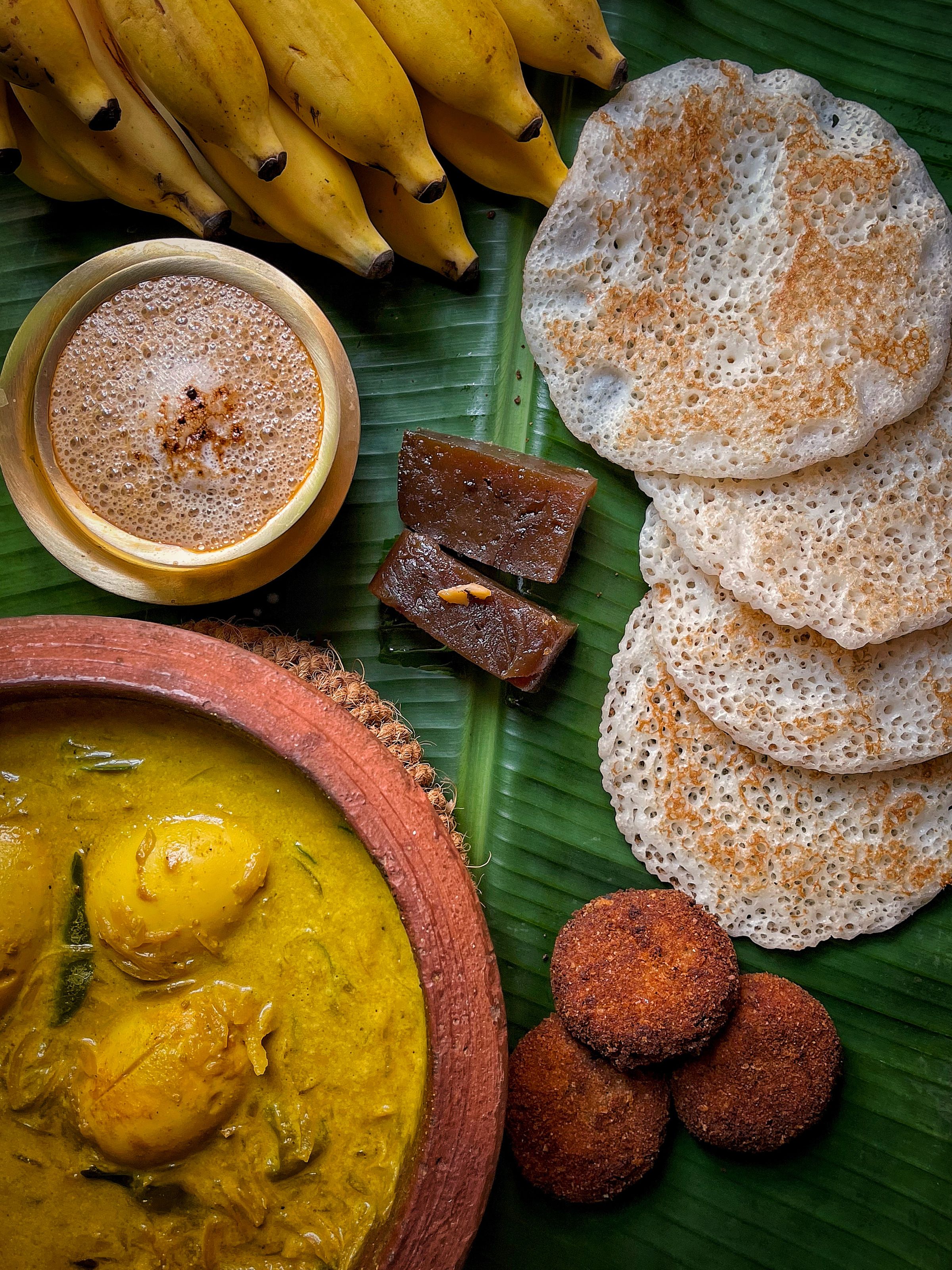
Kerala is not one cuisine but a coastline of them, each shaped by who settled where and what the trade winds brought.
The sadya, as ritual
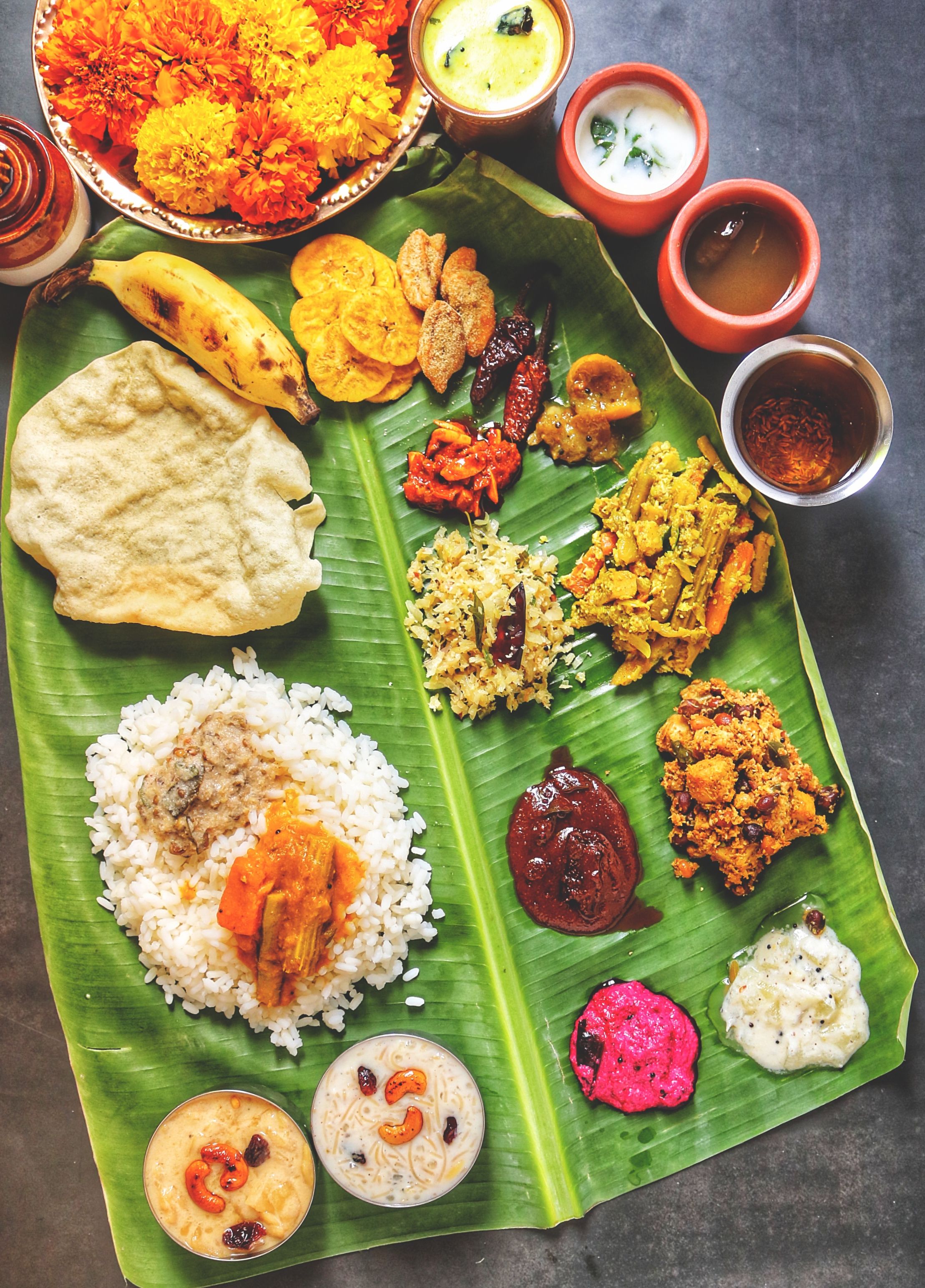
Less a meal than a rite: two dozen and more vegetarian dishes, from avial and olan to kaalan and thoran, laid in fixed positions on a banana leaf whose tip points left, eaten by hand and building to payasam at the close. It crowns Onam and every wedding, and it tells you more about Kerala in an hour than a week of sights.
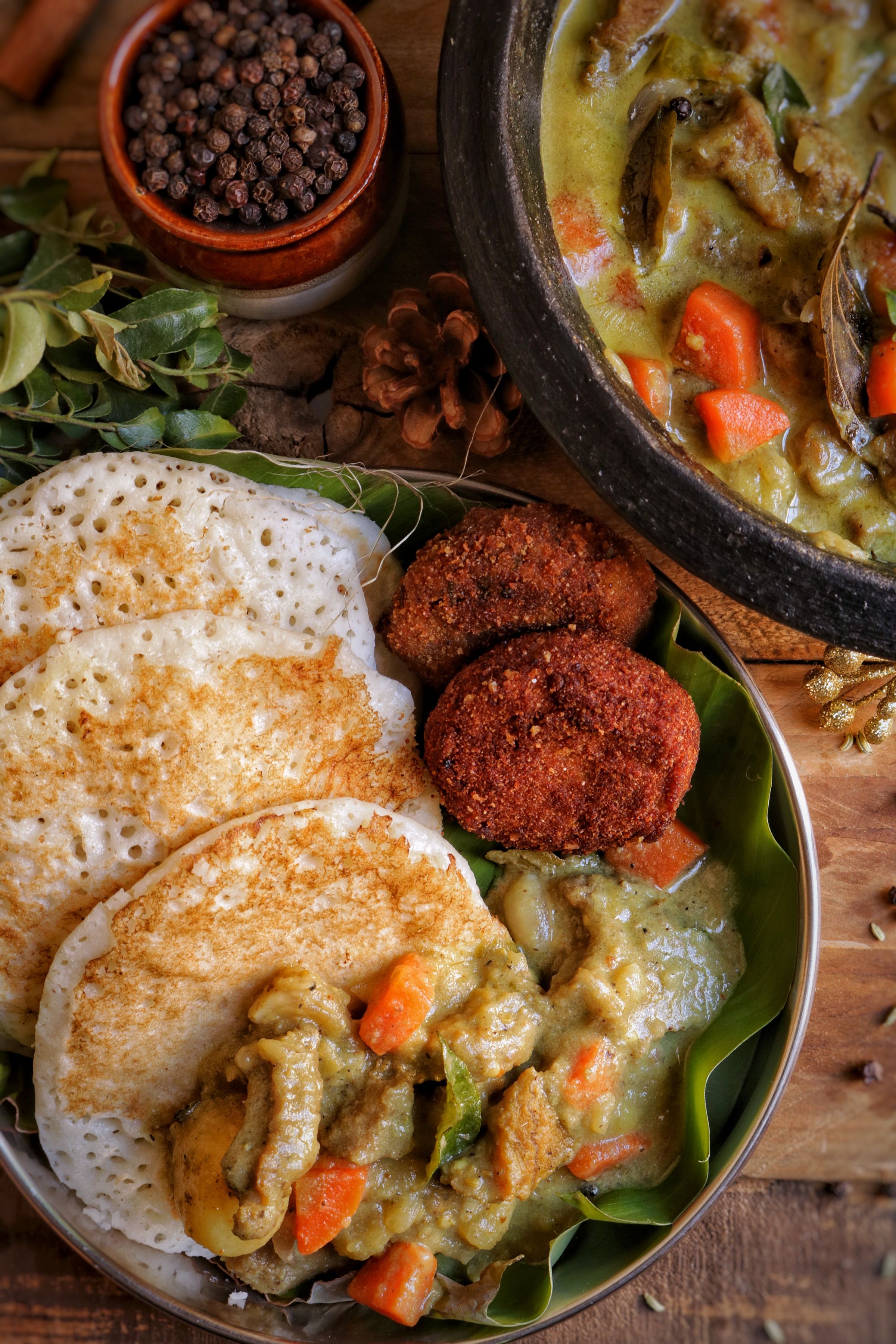
Syrian Christian (Nasrani)
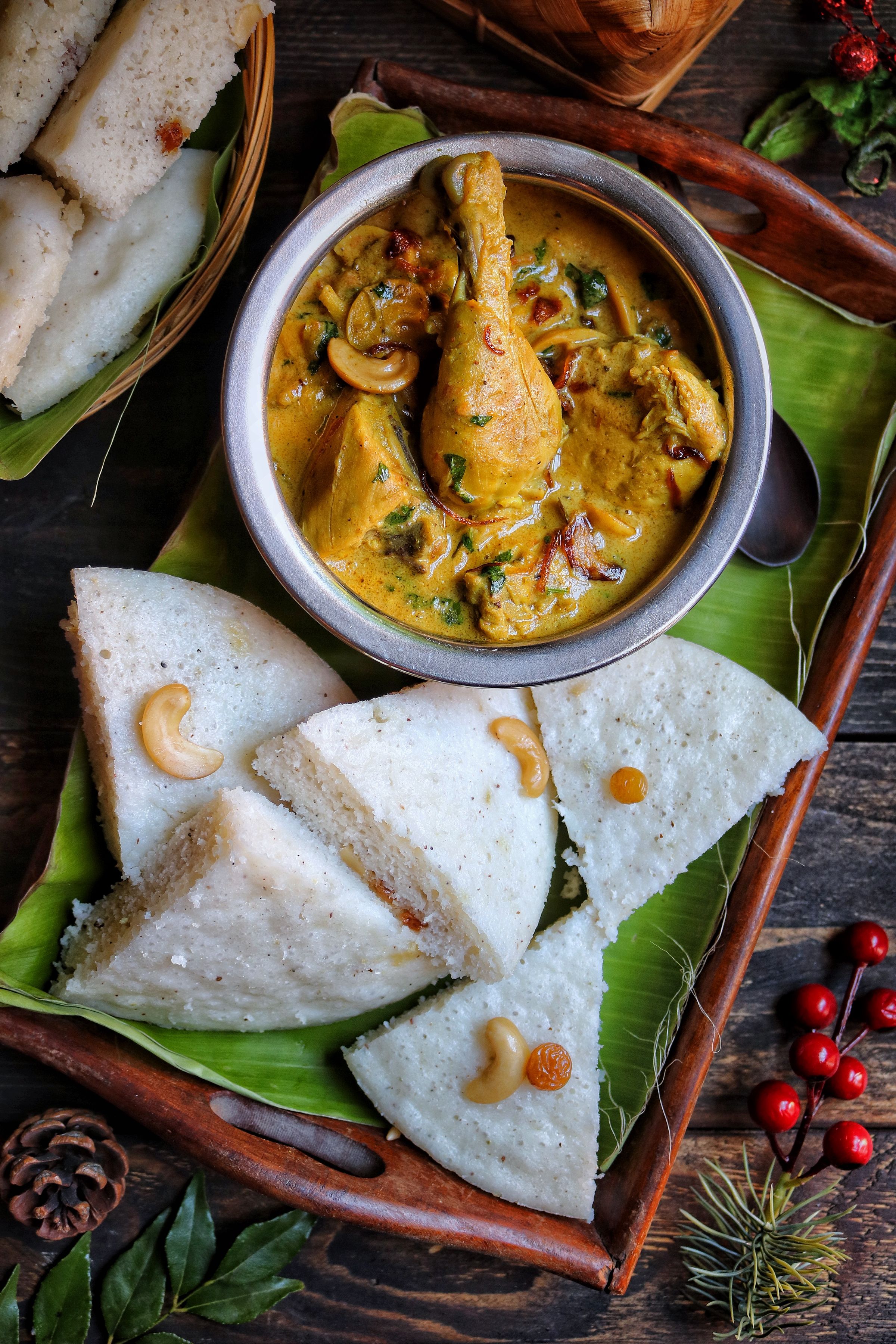
The Christian table of central Travancore, among India's oldest: appam with duck or beef stew, pearl-spot fish grilled in banana leaf, and curries soured with the smoky kudampuli fruit.
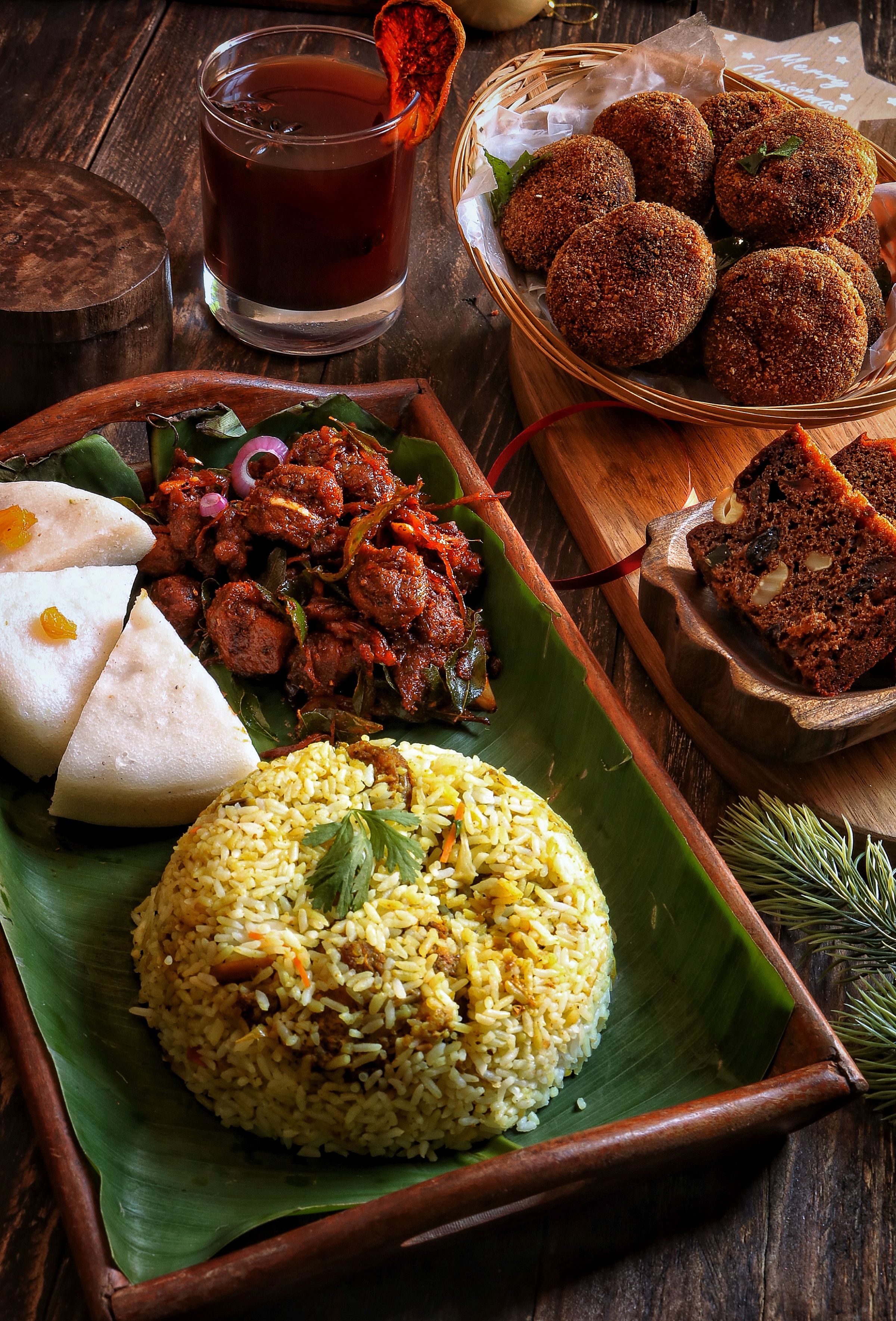
Mappila (Malabar Muslim)
The Arab-inflected cuisine of the northern coast: fragrant Thalassery biryani, rice-flour pathiri, and layered festival sweets like unnakkaya and mutta mala.
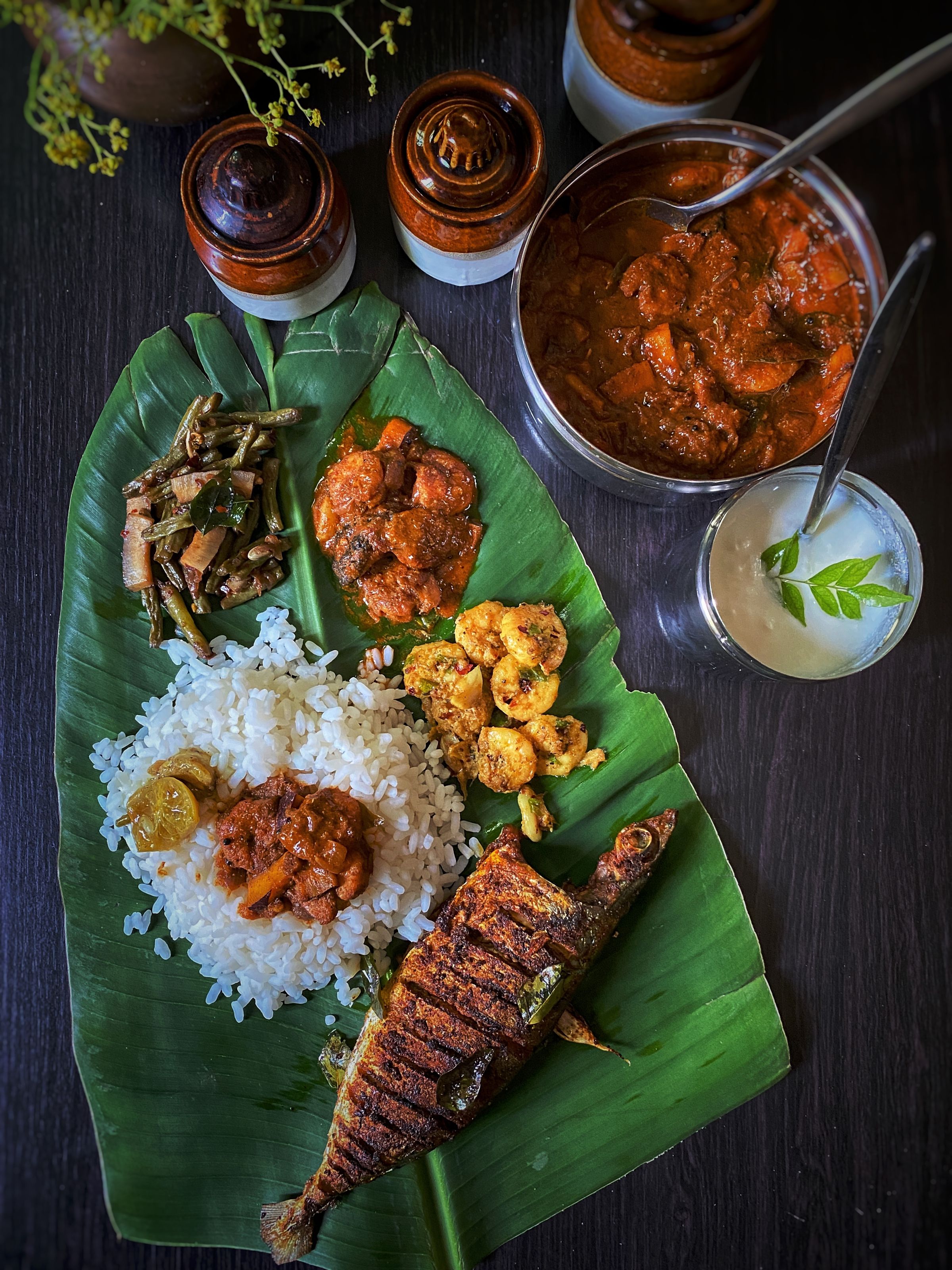
The coastal catch
The fishing-village kitchen of Kochi and Alleppey: the day's fish, prawns, mussels and clams, cooked simply in coconut, chilli and curry leaf.
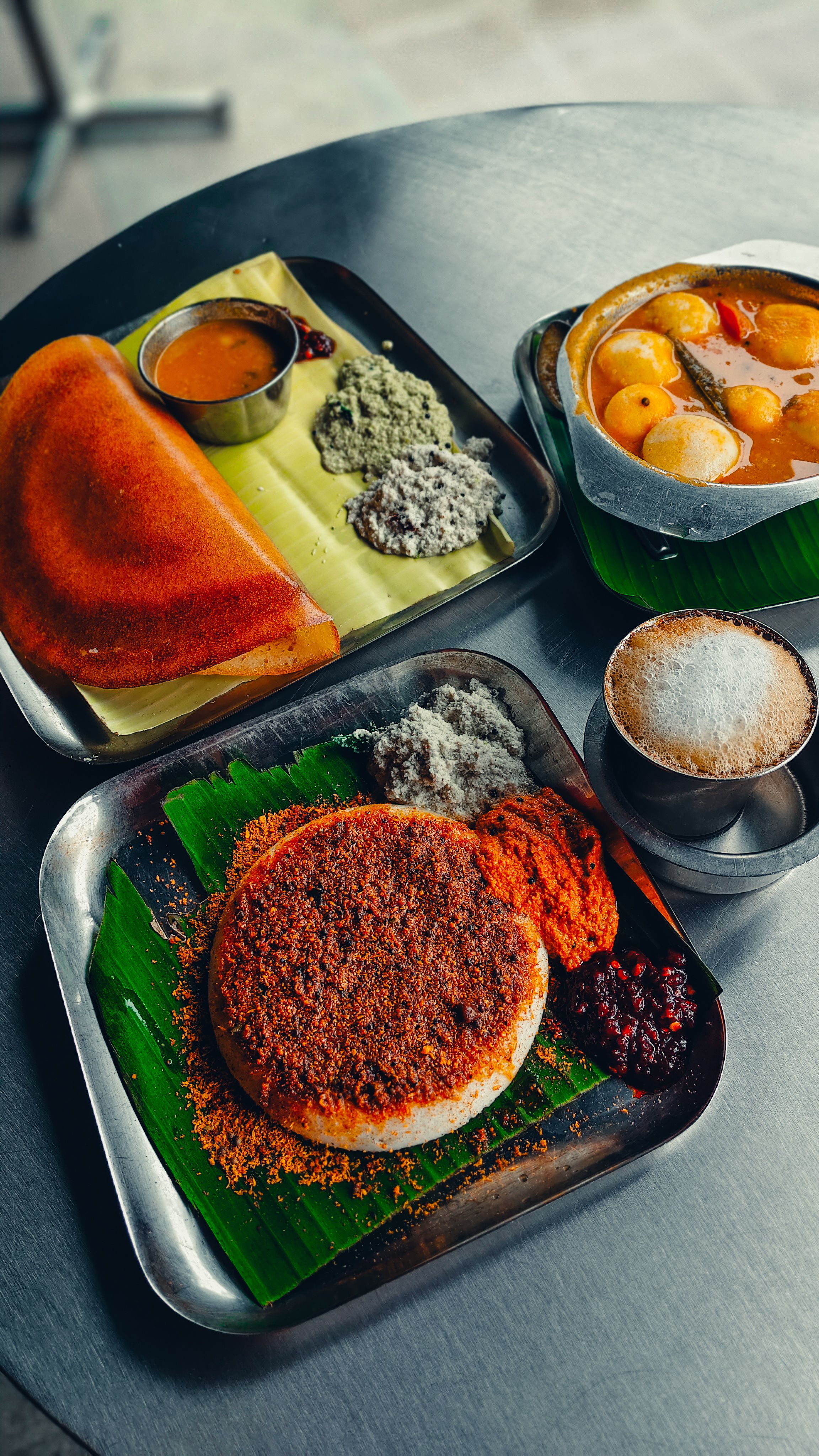
Palakkad Tamil-Brahmin
The Iyer kitchens of the Bharathapuzha valley, a gentler, temple-town vegetarian tradition shaped by the neighbouring Tamil country.
Kuttanad duck
A backwater speciality: duck herded on the paddy waters, slow-cooked with roasted coconut and black pepper.
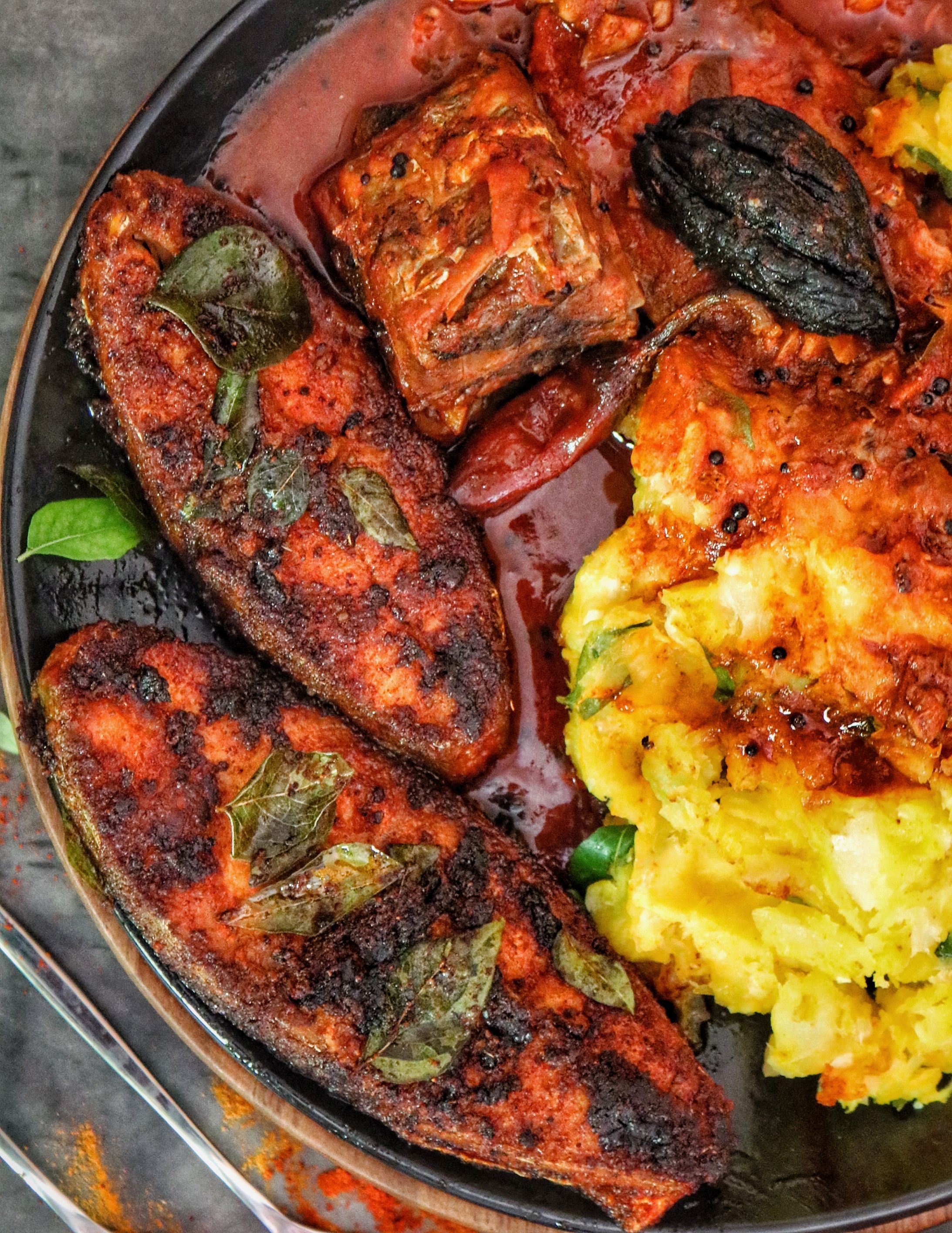
The toddy shop (kallu shappu)
Kerala's original gastropub: fierce fish curry and steamed tapioca washed down with fresh, mildly alcoholic palm toddy.
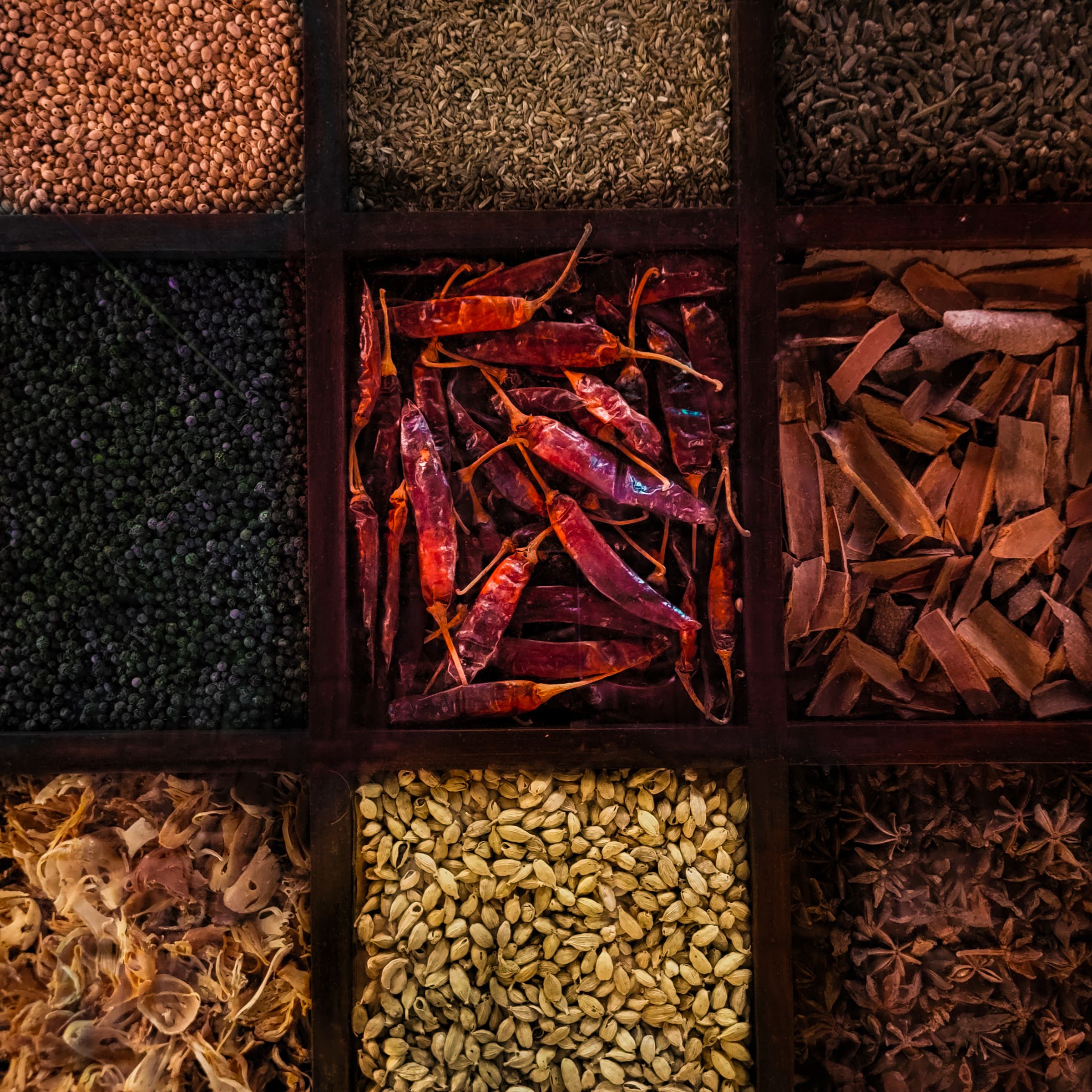
The spice pantry
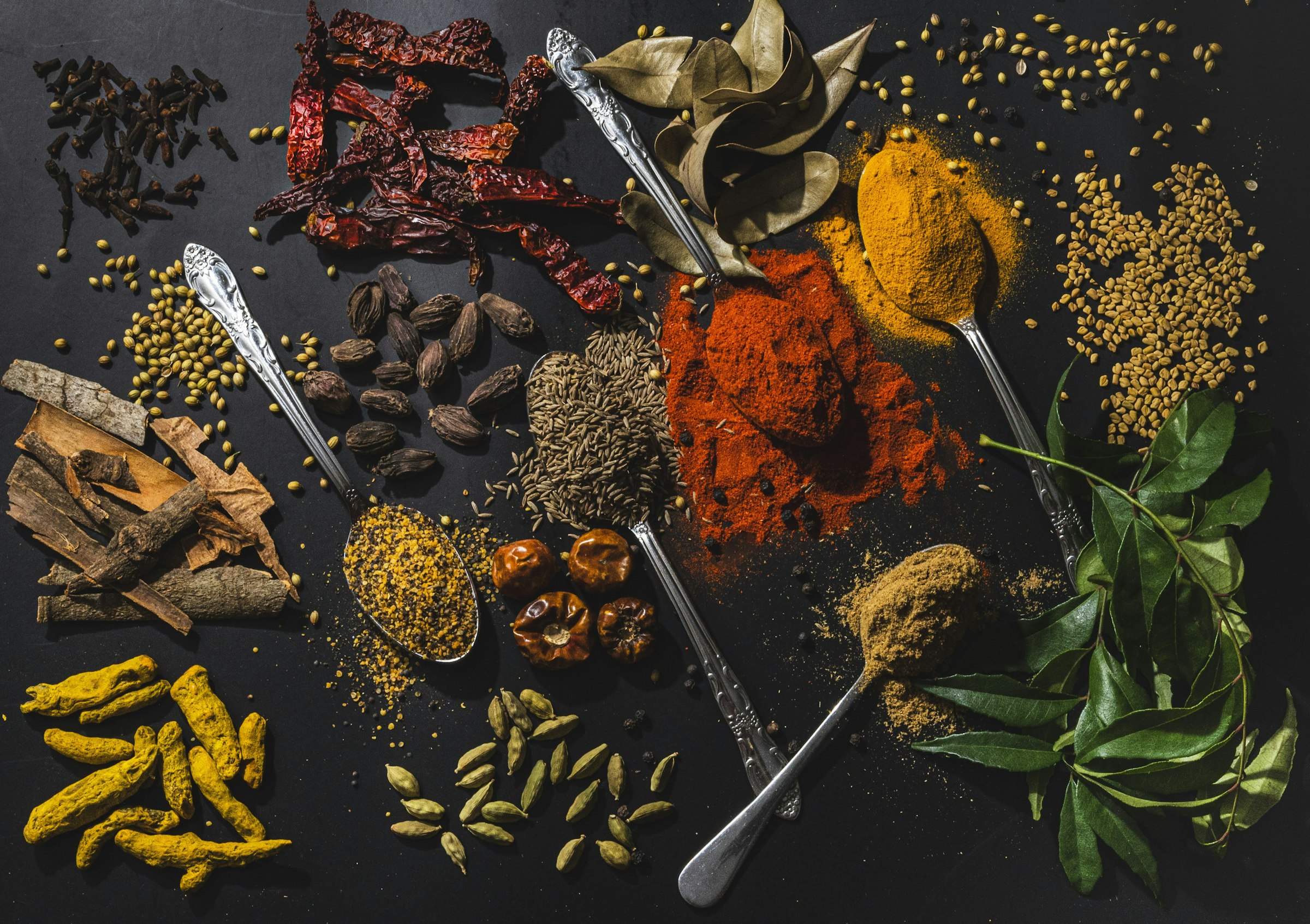
Black pepper, cardamom, clove, turmeric, kudampuli and fresh-pressed coconut: the flavours that first drew the world to this coast, in every home kitchen.
Ceremony, understood
These are living rites, not performances laid on for visitors. We arrange respectful access and explain what you are seeing.
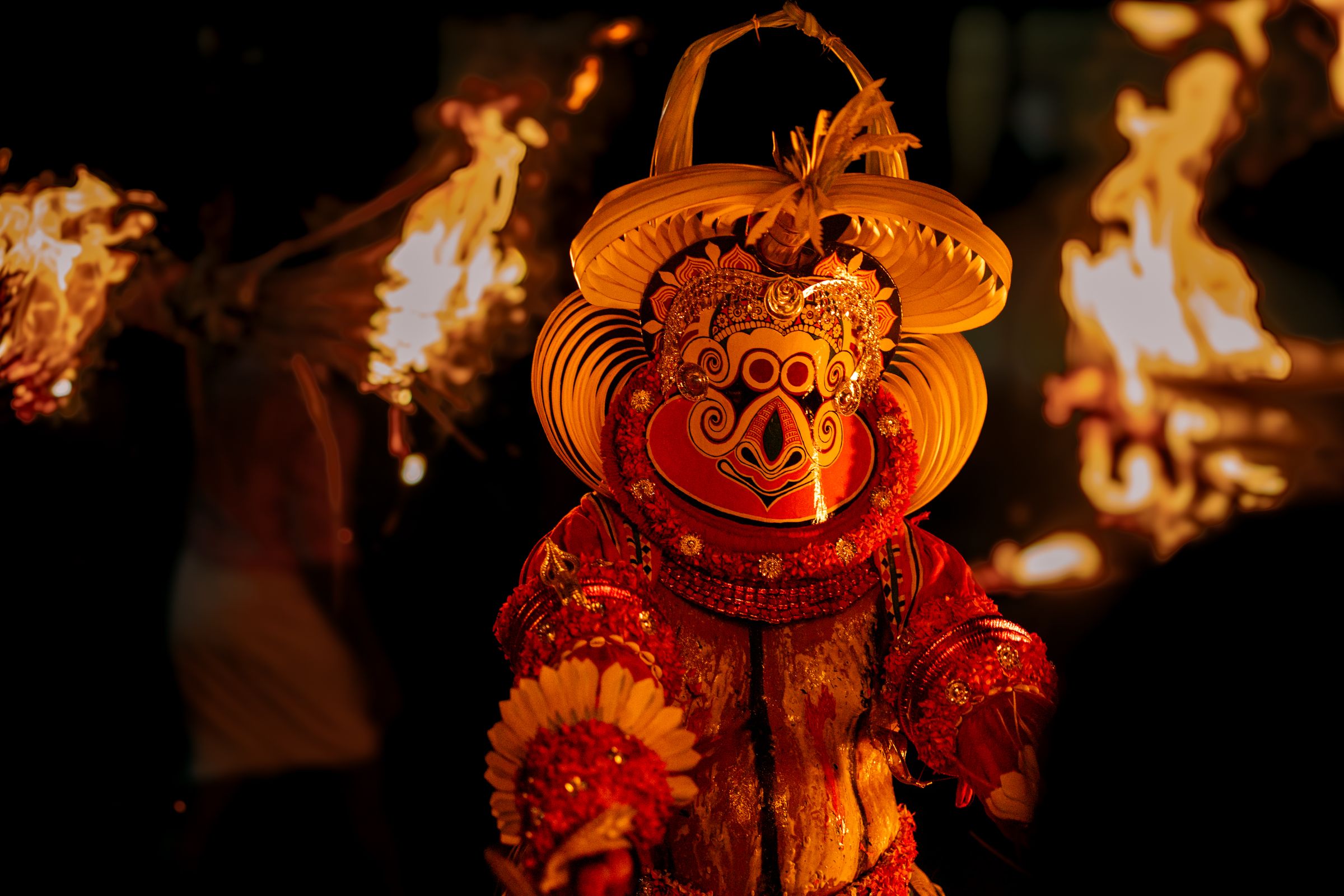
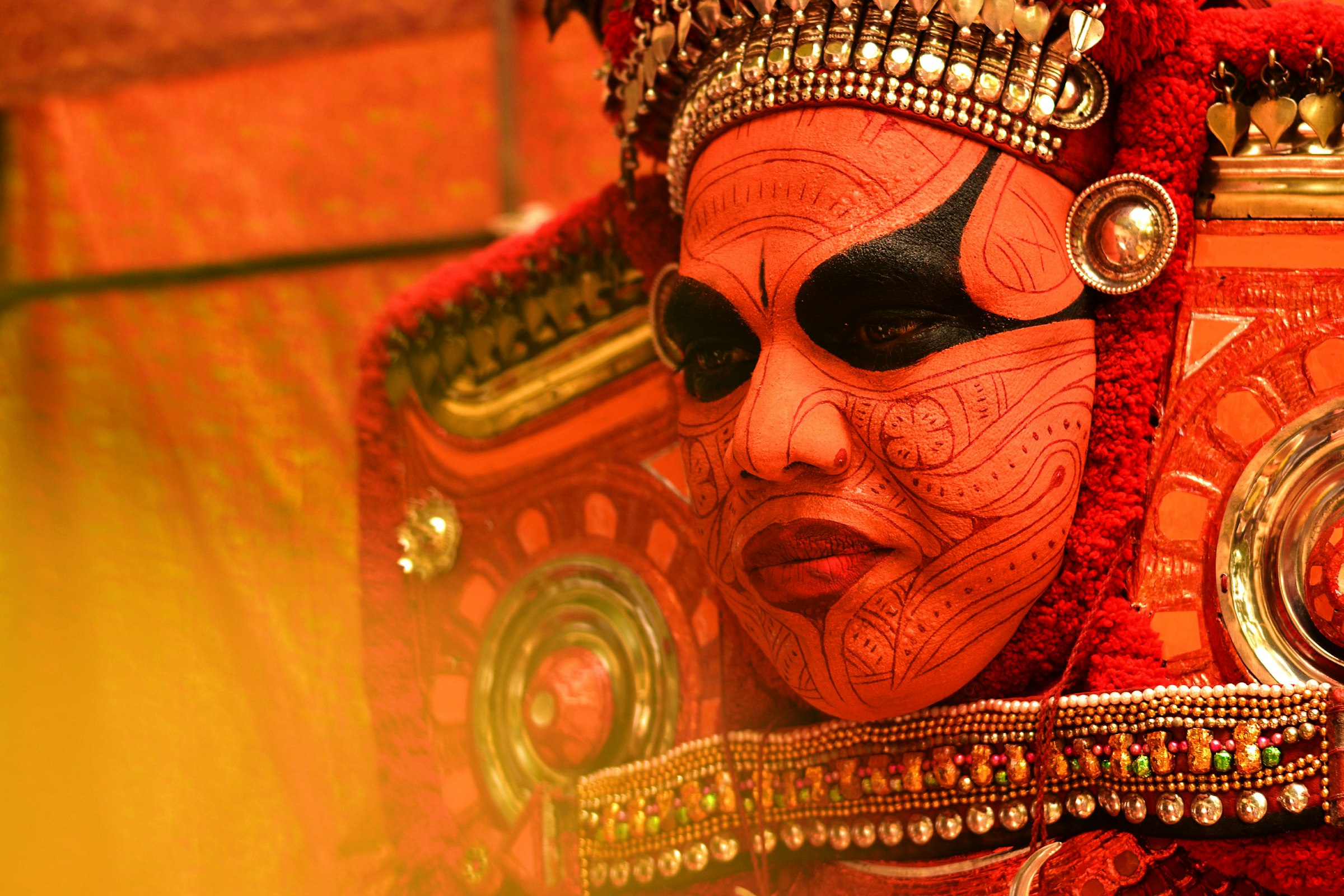
Theyyam
In north Kerala, a painted and costumed performer becomes a living deity for a night, dancing and blessing the village. An act of worship in shrine courtyards, roughly October to May, not a show.
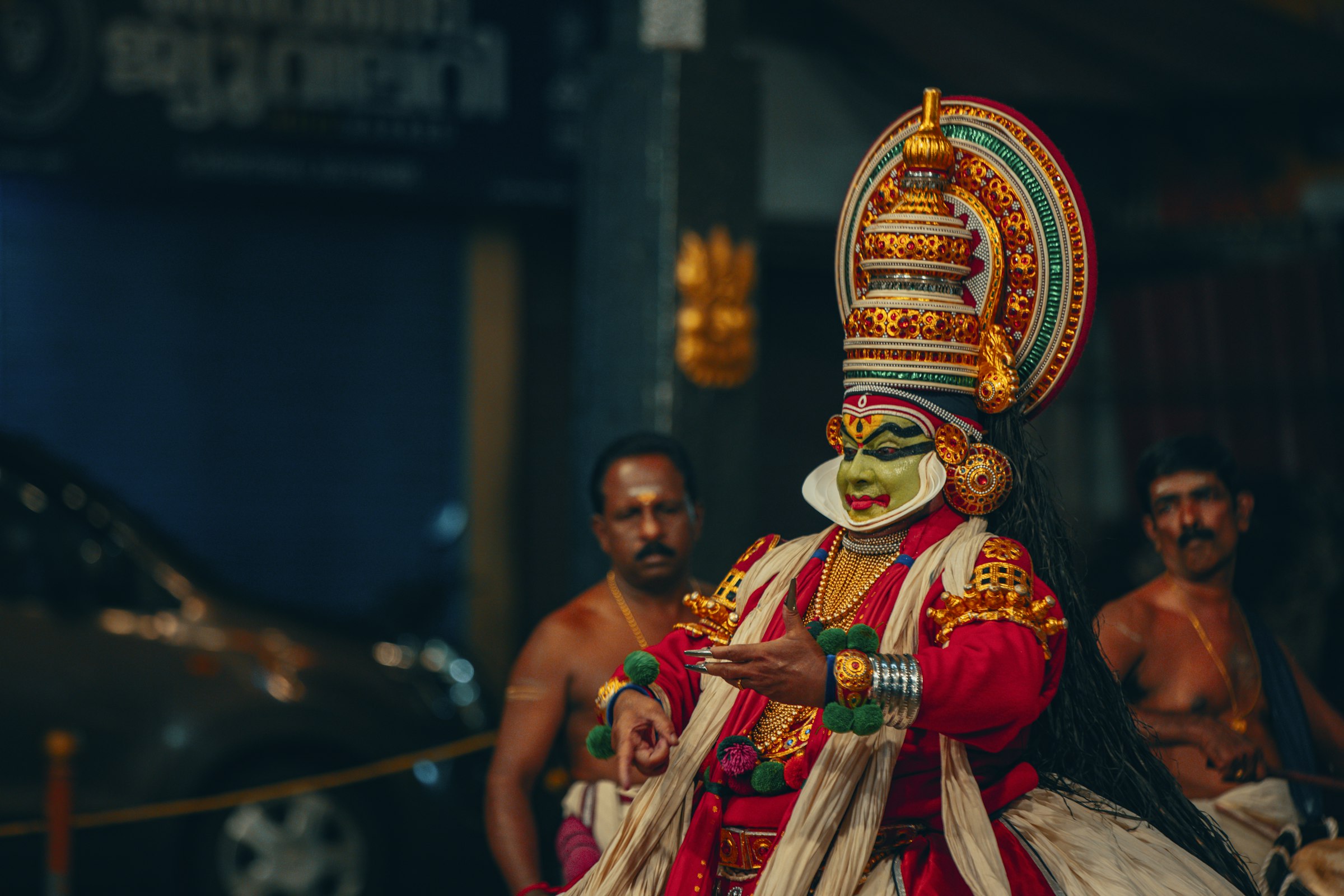
Kathakali
Kerala's classical dance-drama: vividly painted characters tell stories from the Hindu epics through codified gesture, eye movement and drumming, traditionally performed through the night.
Kutiyattam
The world's oldest living Sanskrit theatre and a UNESCO masterpiece, older even than Kathakali, staged in temple theatres with a single gesture sometimes drawn out for hours.
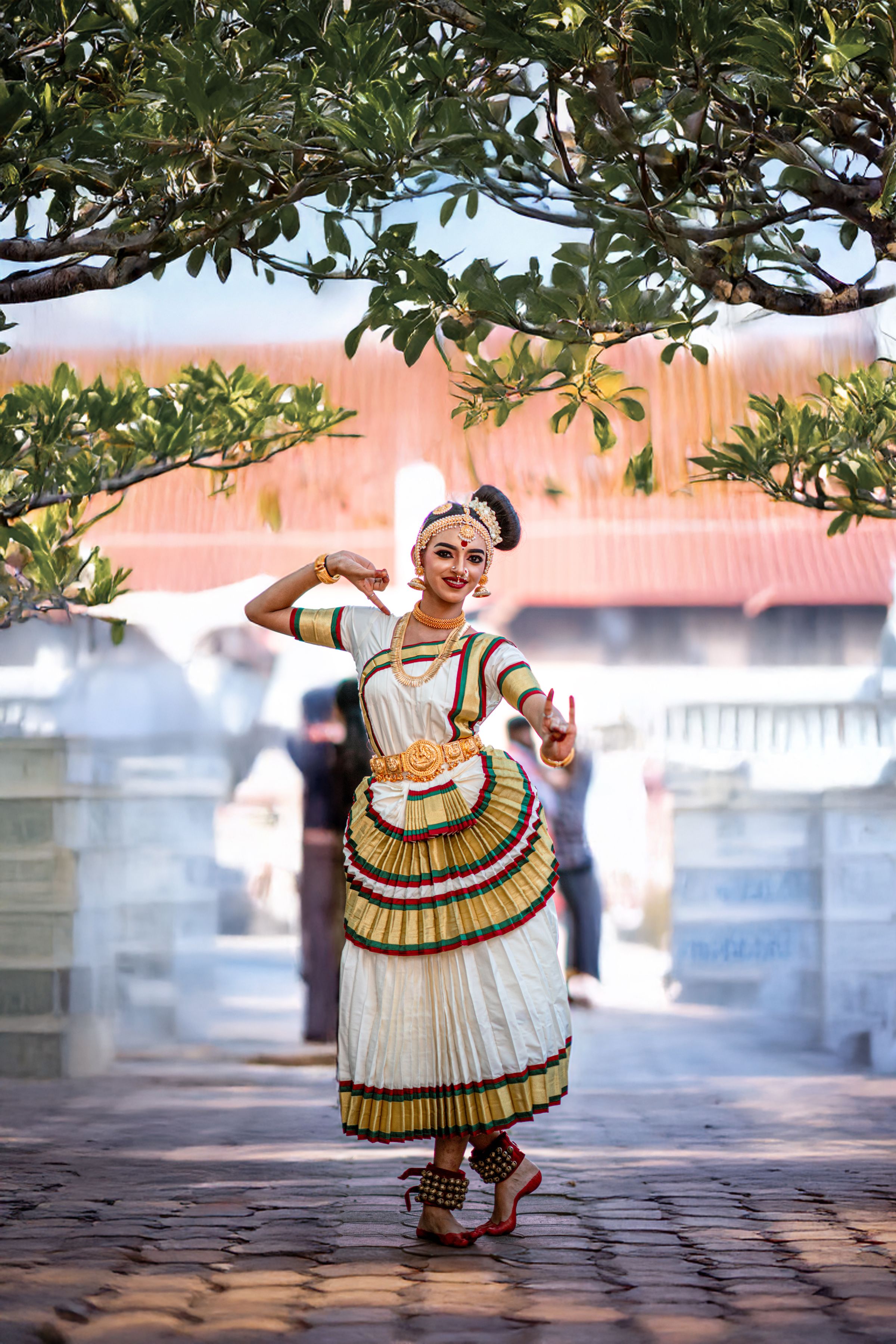
Mohiniyattam
The lyrical 'dance of the enchantress', Kerala's graceful solo classical dance for women, all swaying, circular movement.
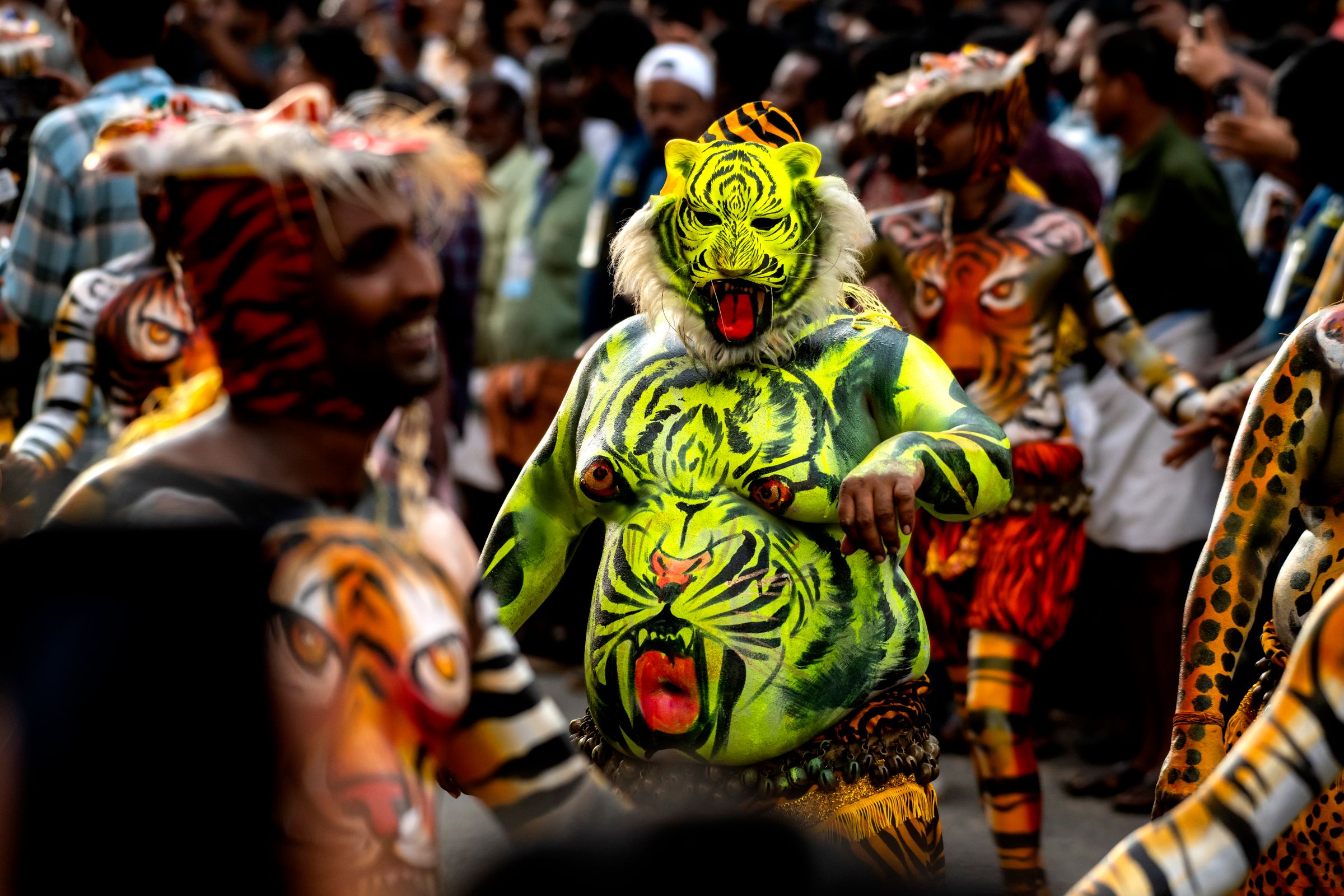
Pulikali
On the fourth day of Onam, men paint themselves as tigers and hunters and take to the streets of Thrissur to the beat of drums, raucous where the classical forms are austere.
Mudiyettu
A UNESCO-listed ritual theatre re-enacting the goddess Kali's victory over a demon, staged in central-Kerala temples after the harvest.
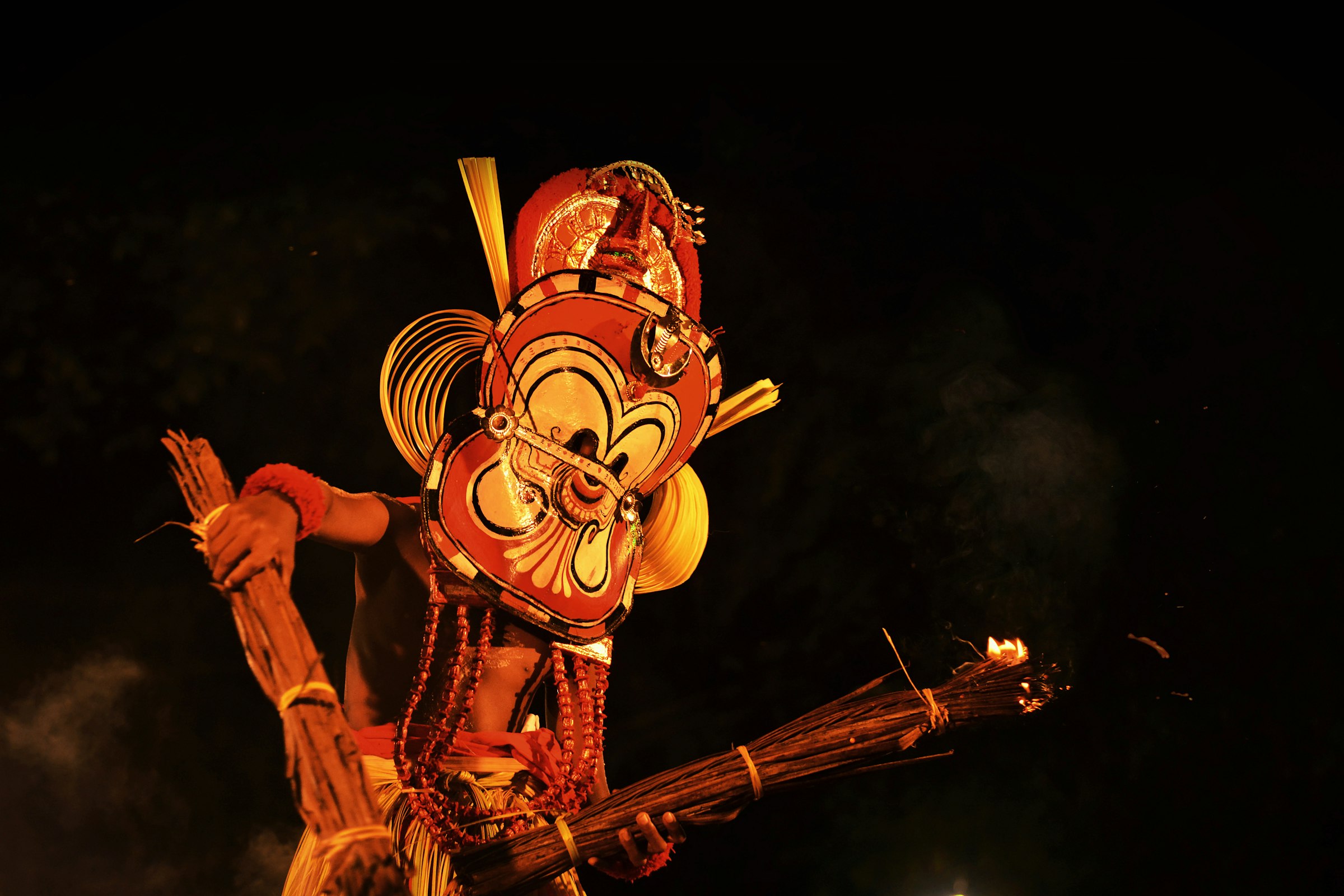
Padayani
In the temples of Pathanamthitta, enormous painted masks (kolams) of the goddess and spirits are danced by torchlight to drum and song.
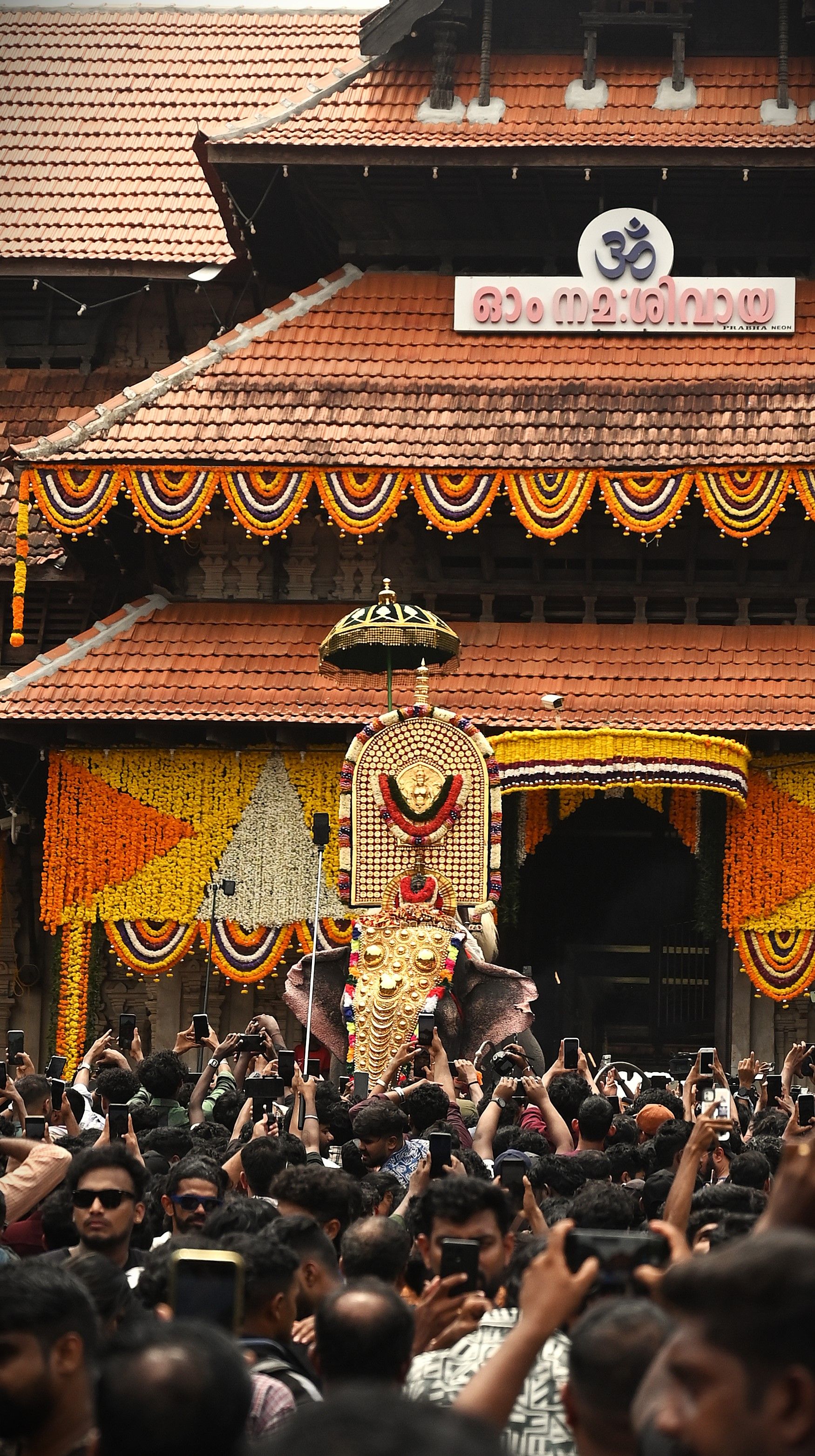
Thrissur Pooram
Kerala's grandest temple festival (April–May): facing rows of caparisoned elephants, duelling drum orchestras, ceremonial parasols exchanged overhead, and a night of fireworks.
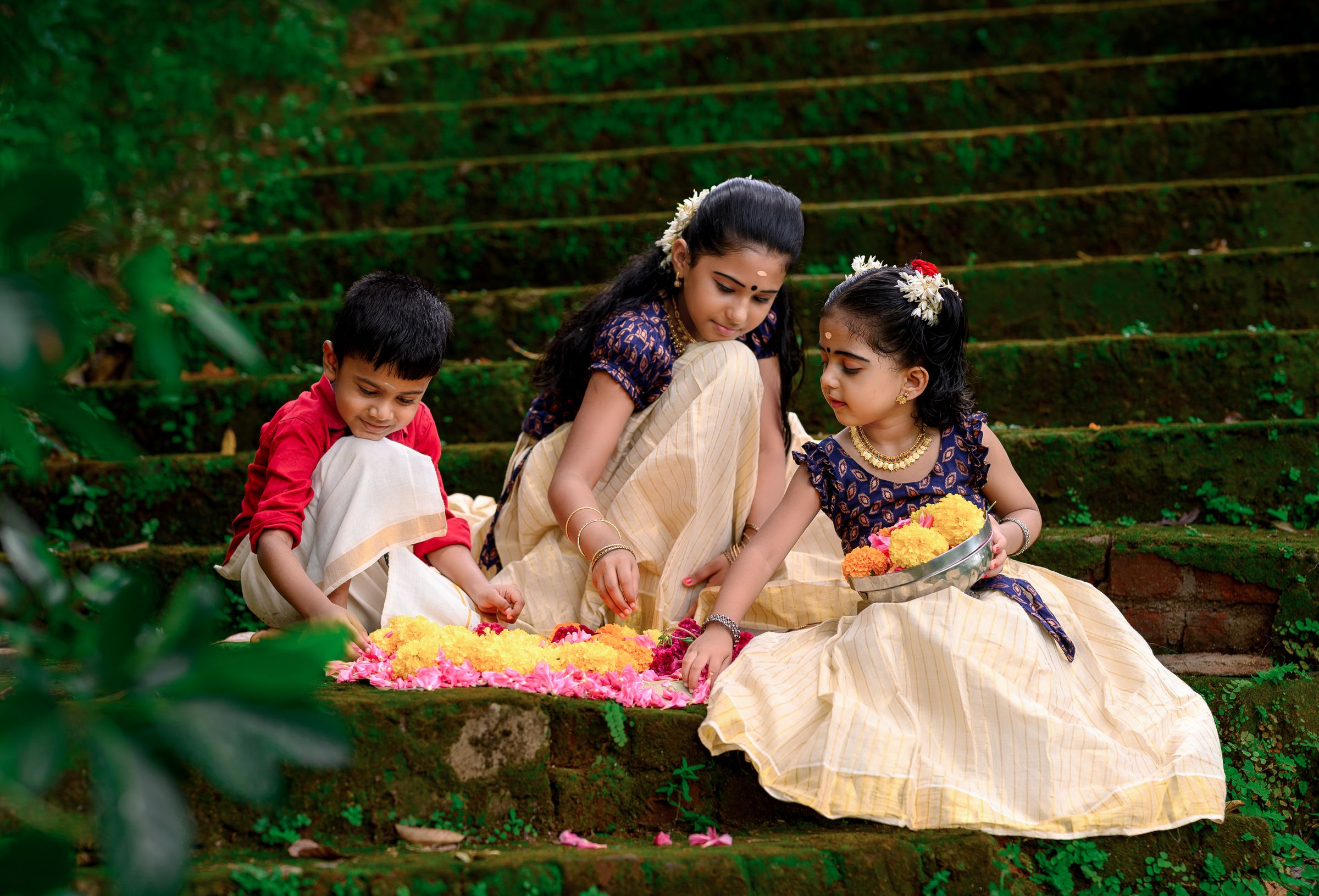
Onam
The harvest festival and Kerala's own new year (Aug–Sep): intricate flower carpets, a grand vegetarian feast, snake-boat races and tiger-dancers, all welcoming the mythical good king Mahabali home.
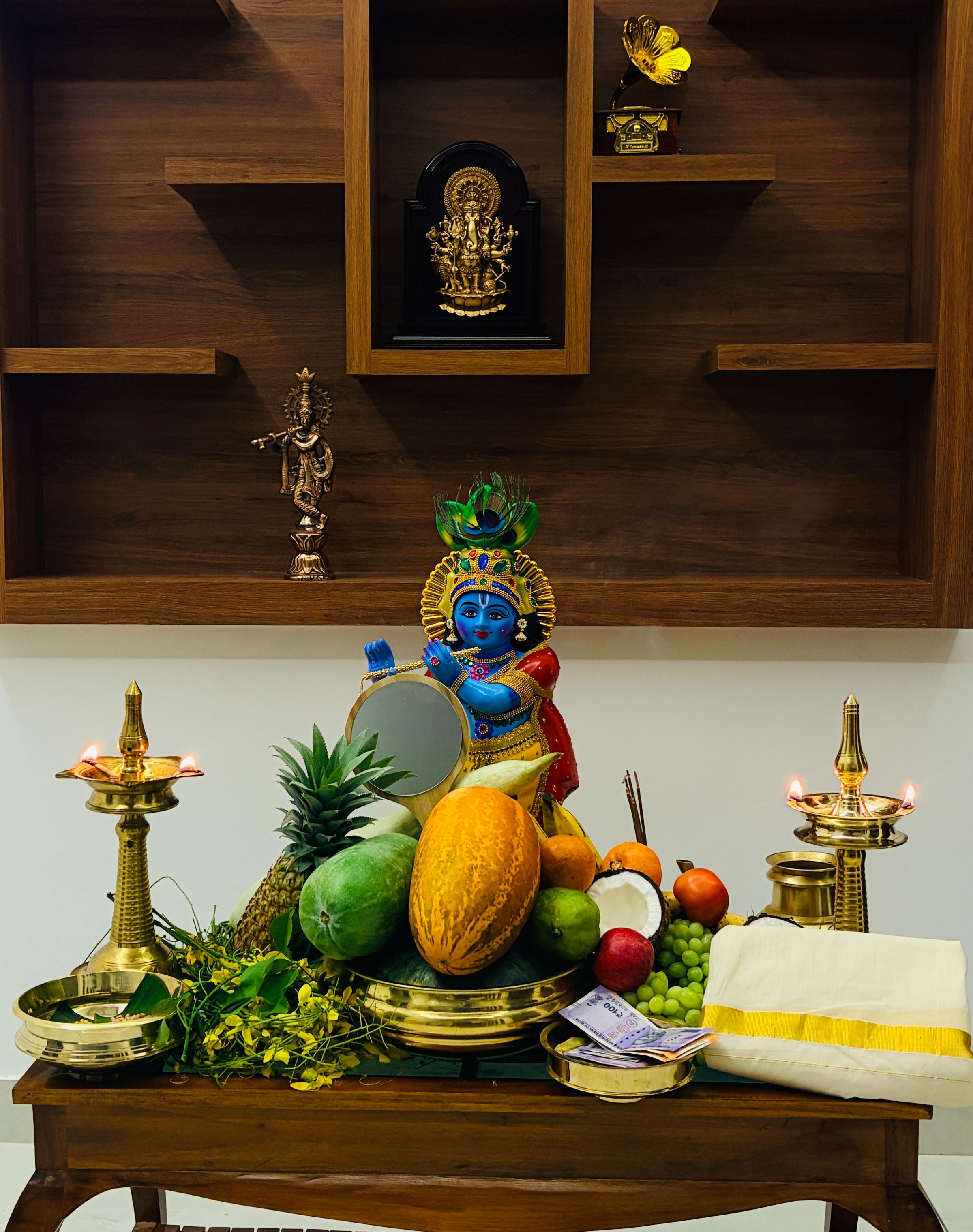
Vishu
The astronomical new year in mid-April. The first thing you see on waking is the Vishukkani: golden kani-konna blossoms, rice, fruit, gold and a mirror, arranged the night before for a prosperous year.
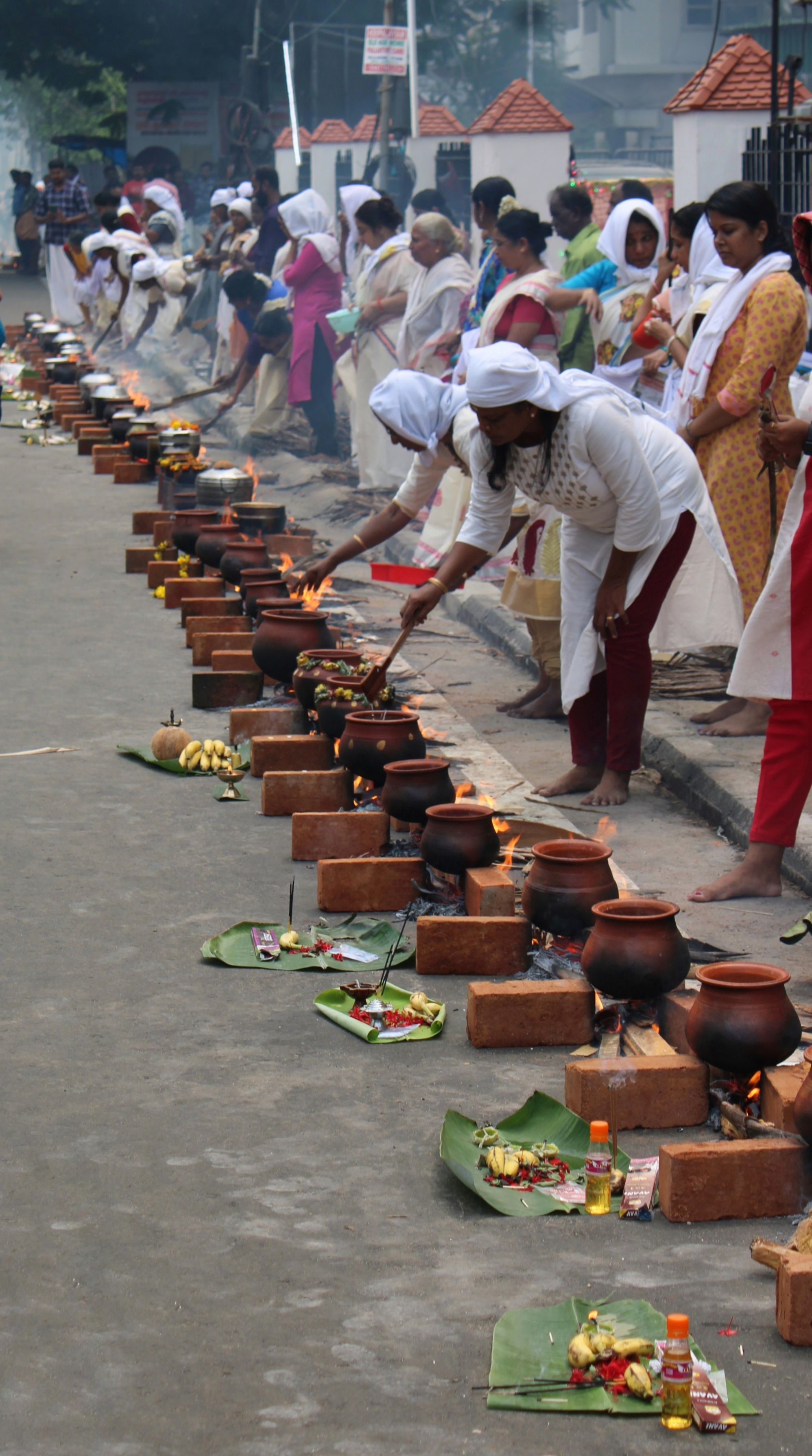
Attukal Pongala
In Thiruvananthapuram, one of the largest gatherings of women on earth, who cook a sweet rice offering over a sea of open hearths for the goddess (Feb–Mar).
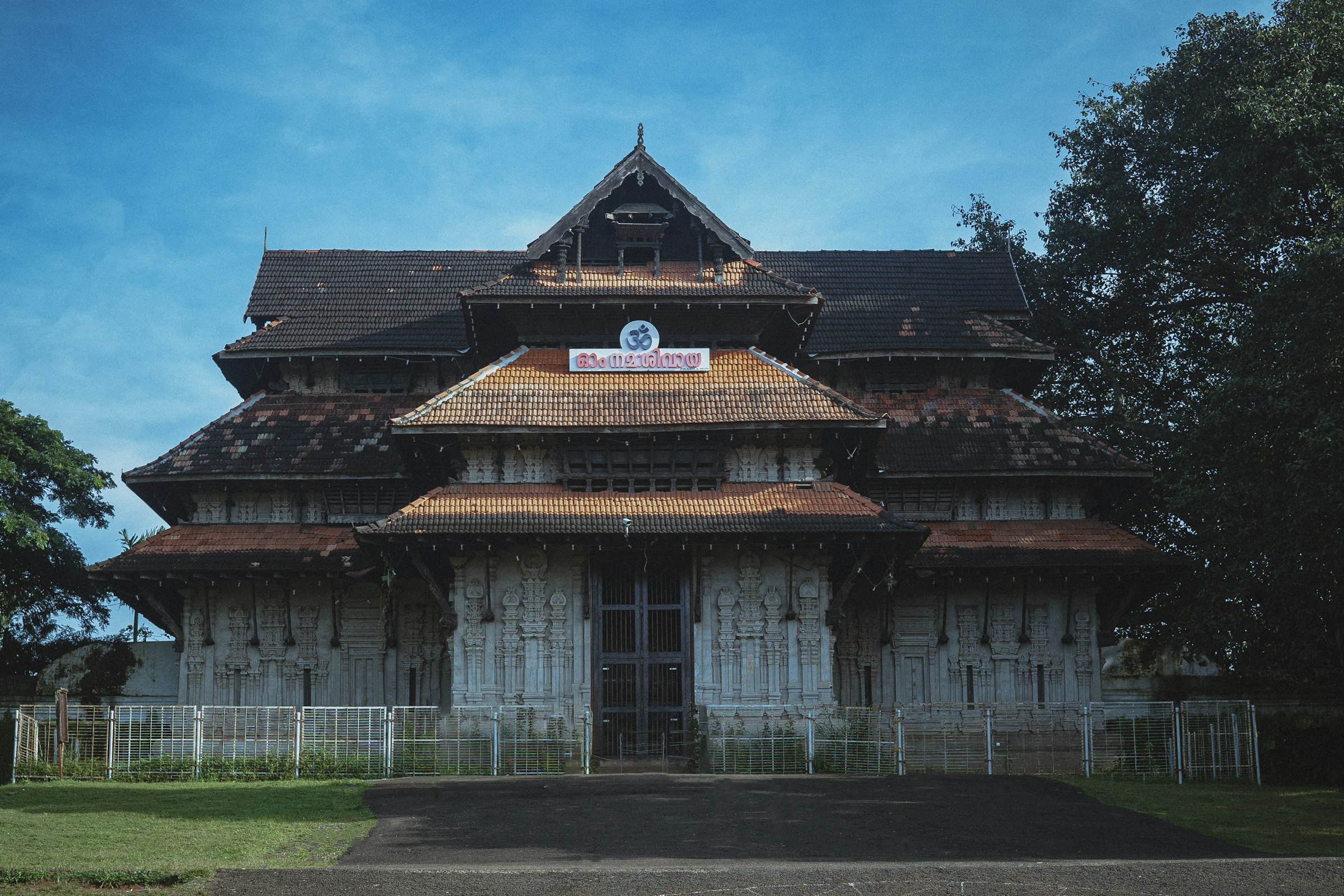
The great temples
Guruvayur's Krishna, the reclining Vishnu of Sree Padmanabhaswamy in Thiruvananthapuram, Shiva at Vaikom: living temples with dawn rituals and elephants. Some sanctums admit only Hindus or set a dress code; we tell you honestly in advance.
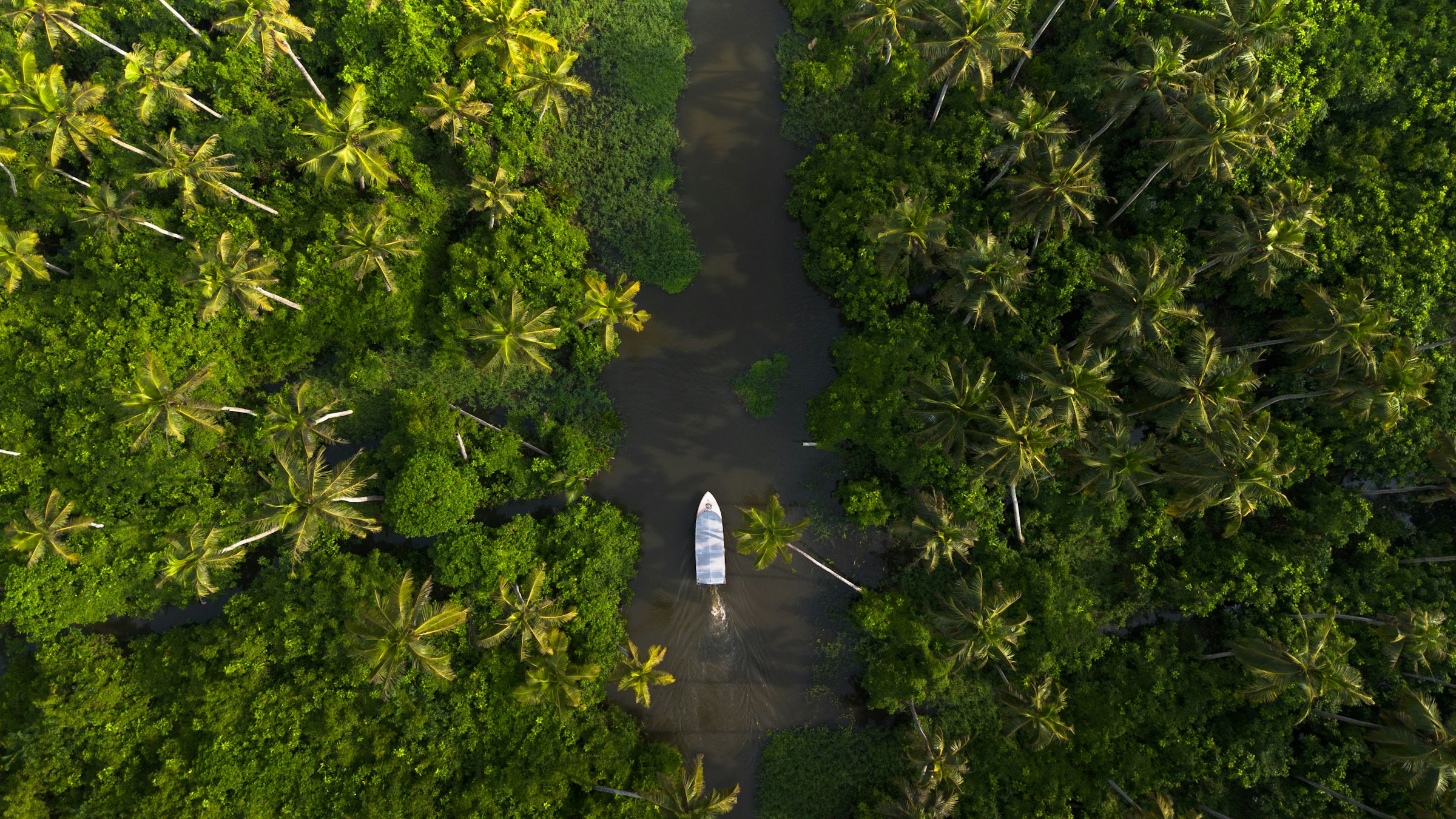
The quiet water
Kerala's backwaters are a lattice of lakes, rivers and canals along the coast. We show you the quiet, working water behind the postcard.
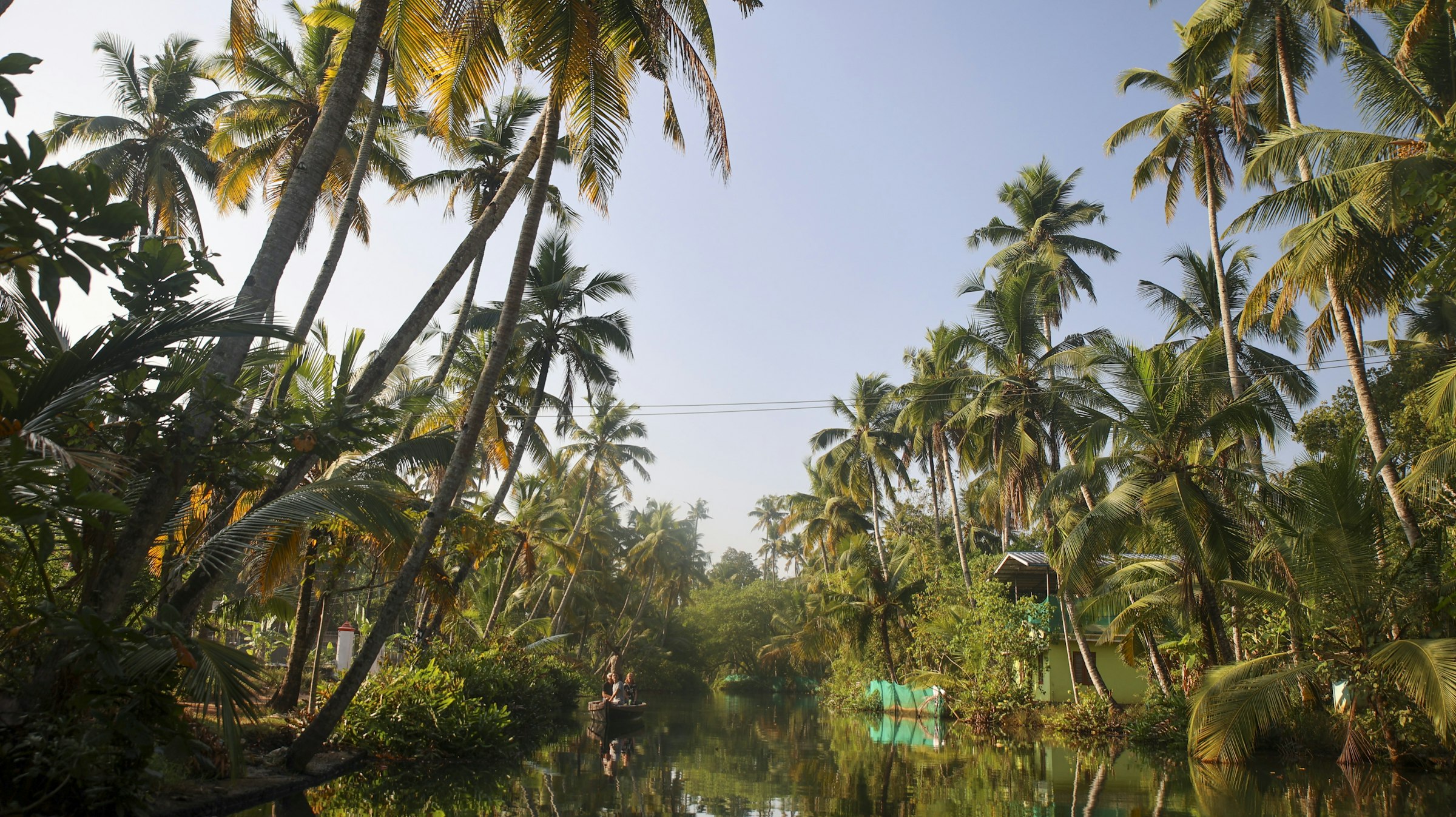
The village canals
Behind the wide tourist channels lie narrow village canals, reached only by a low country canoe poled by a local, where daily backwater life, unhurried and unwatched, actually happens.
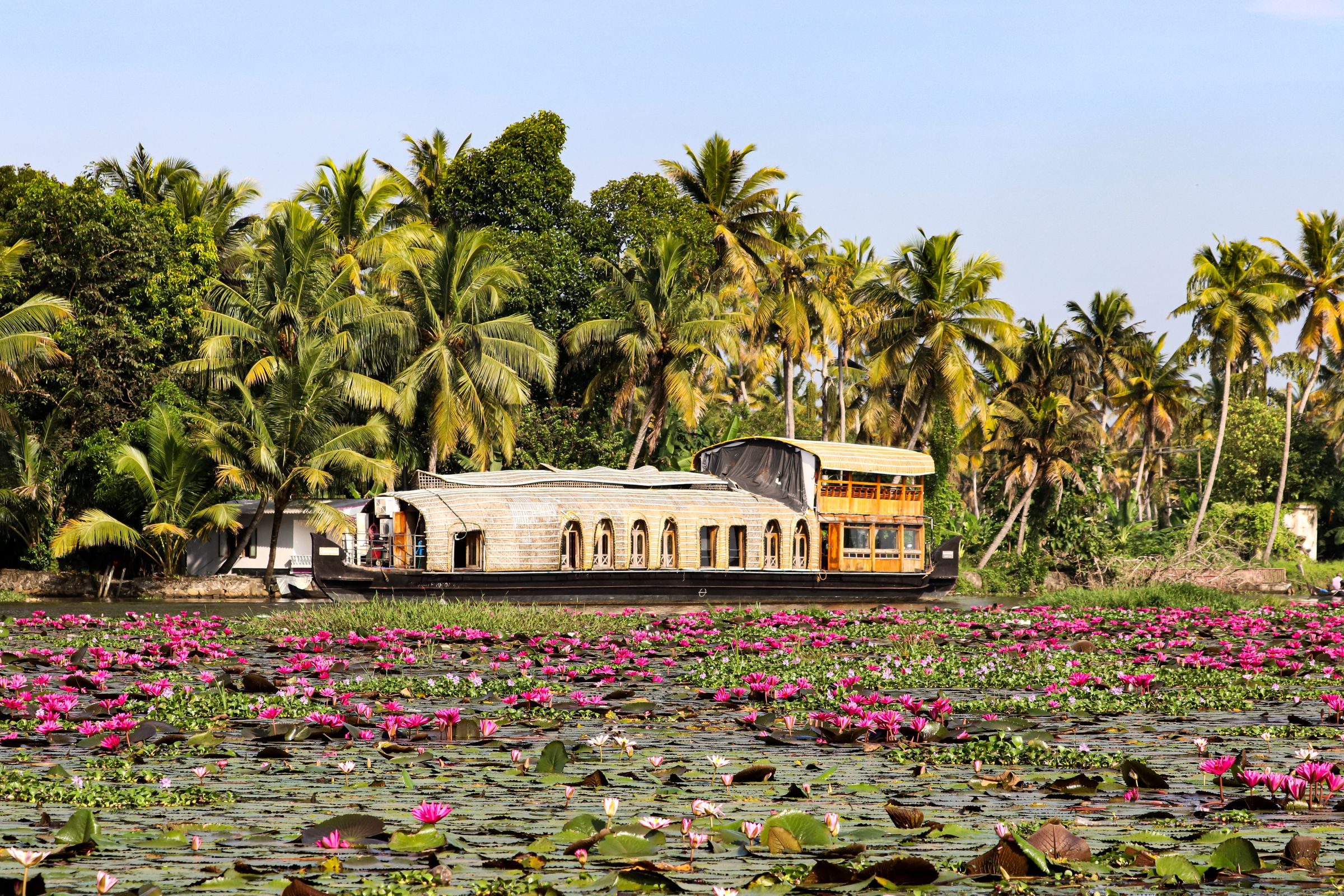
Vembanad & Kuttanad
India's longest lake and the 'rice bowl' around it, one of the very few places on earth farmed below sea level, behind hand-built mud bunds.
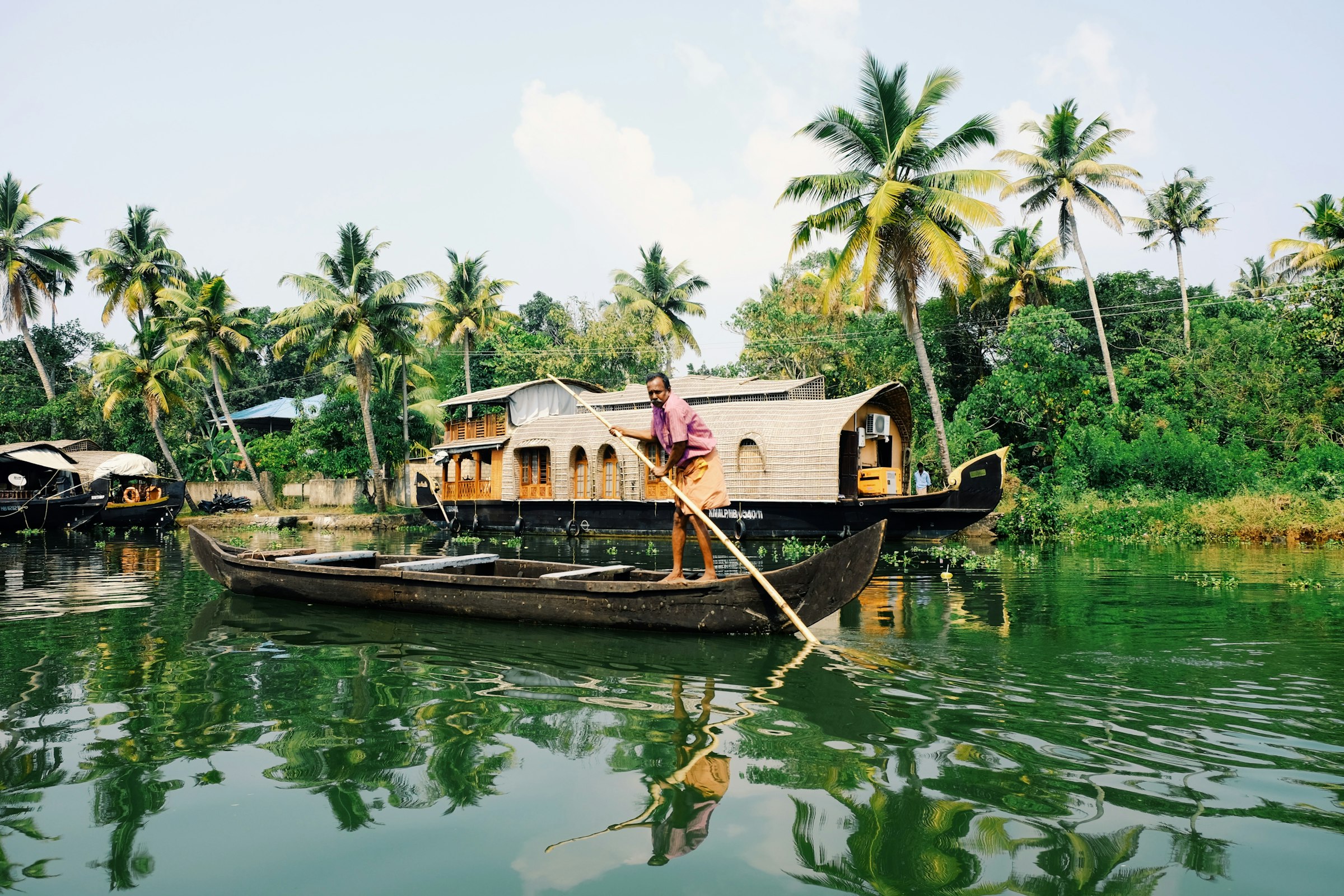
Life on the water
Coir-spinning, cantilevered Chinese fishing nets, duck-herding and toddy-tapping: the working life of the waterways, met up close rather than glimpsed from a deck.
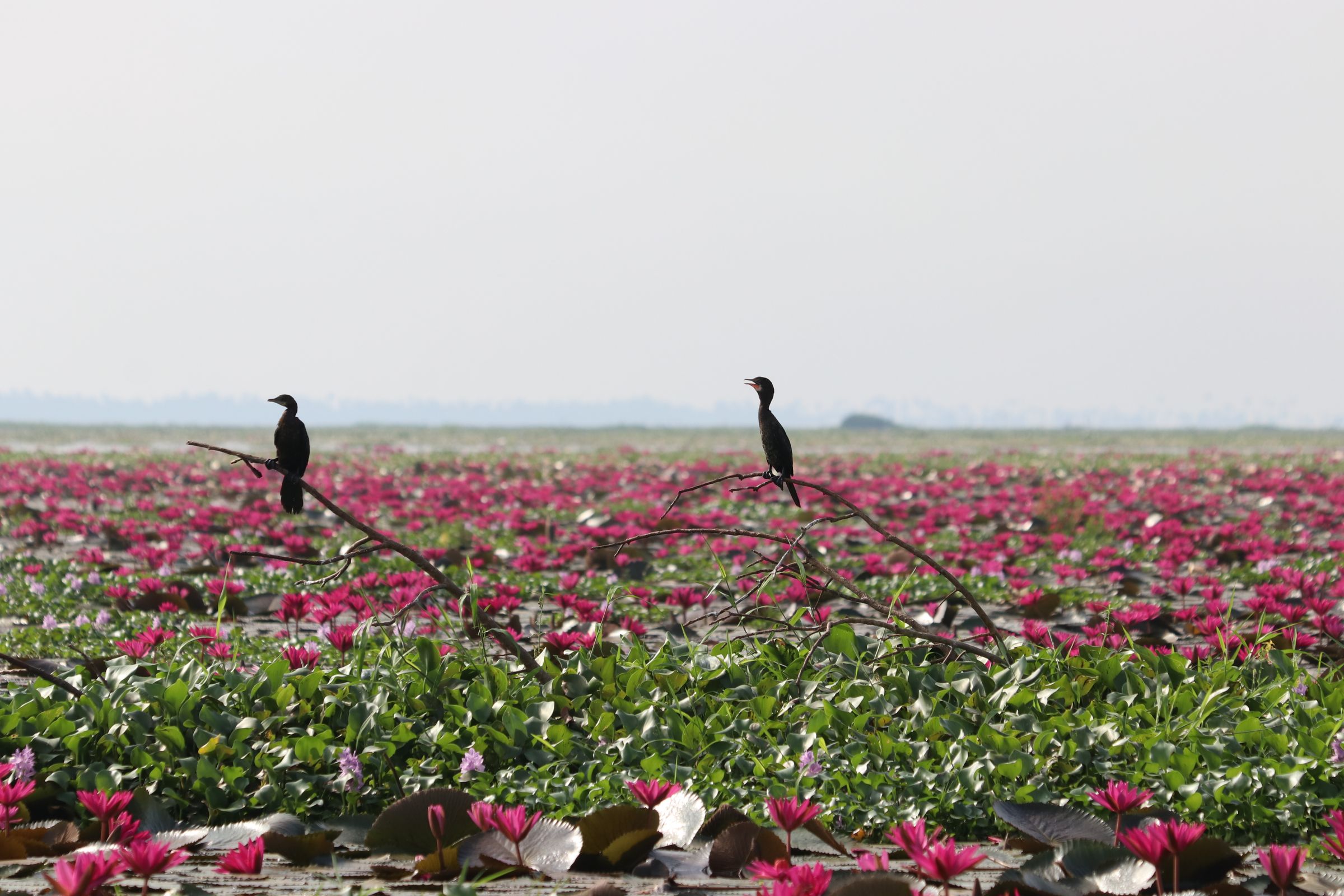
Kumarakom
A bird sanctuary on Vembanad's shore: egrets, herons, darters and cormorants, with migratory flocks arriving in winter.
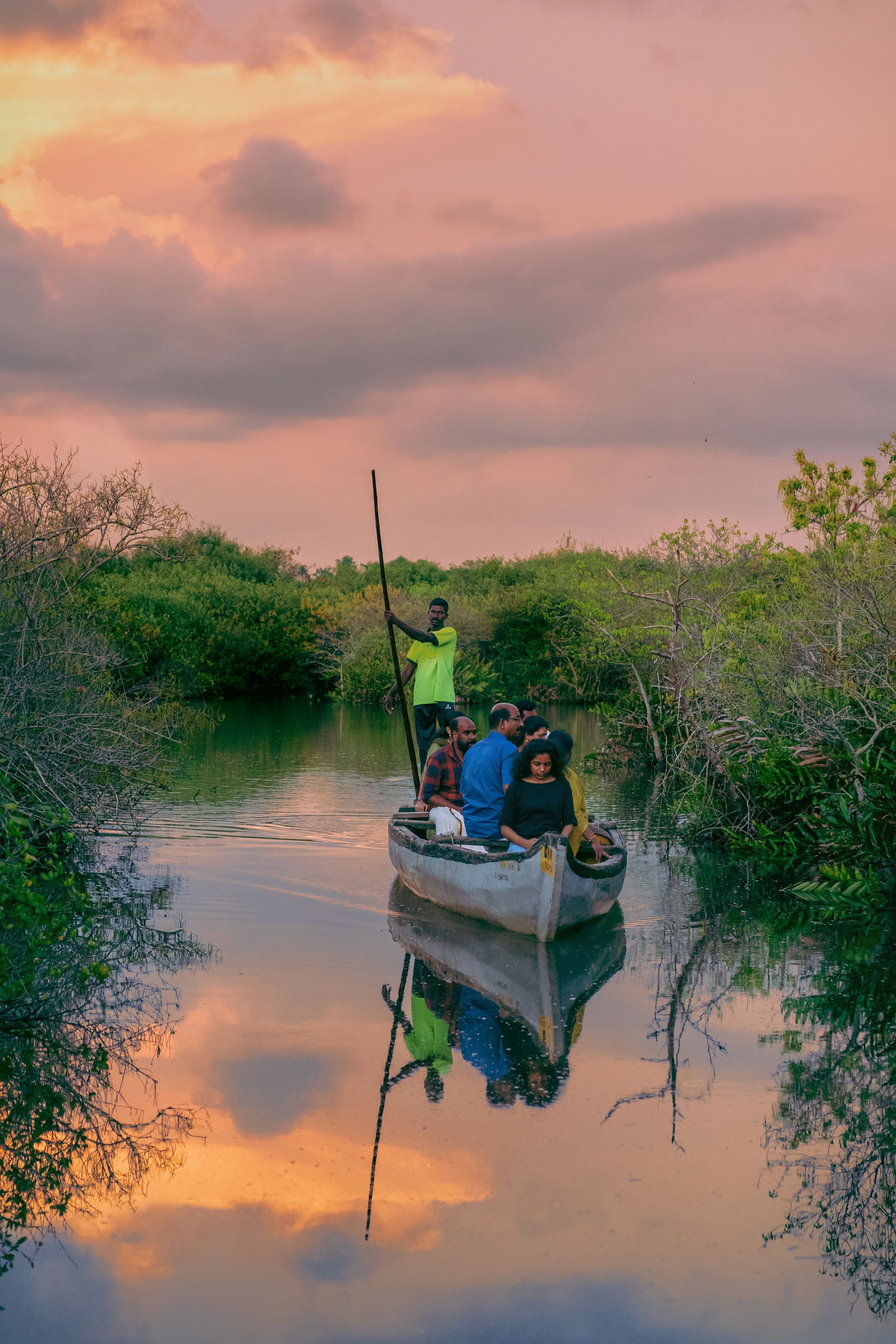
Ashtamudi, Kollam
A quieter, eight-armed lake to the south, gateway to the southern backwaters and the old cashew and coir trade, well away from the crowds.
Nehru Trophy Boat Race
Each August, 100-oar 'snake boats' (chundan vallam) thunder down Punnamada Lake at Alleppey before roaring lakeside crowds. The date is set afresh every year, so a trip built around it has to be timed with care.
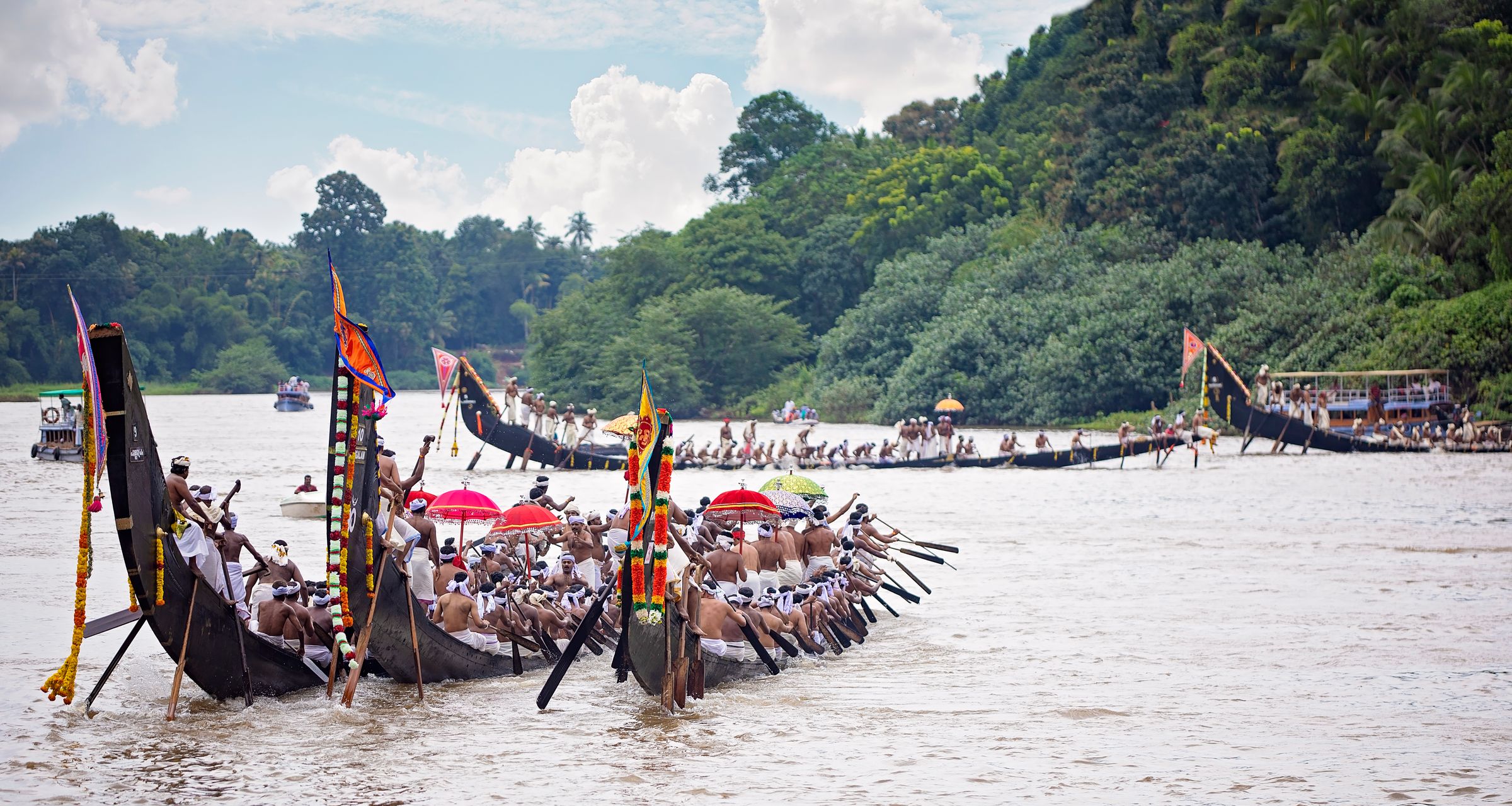
Aranmula Uthrattathi
A sacred, non-competitive snake-boat procession on the Pamba river, bound to a temple and the Onam season, devotion rather than sport.
Payippad Jalotsavam
A three-day snake-boat festival near Haripad, the same spectacle of oars and song, with a fraction of the onlookers.
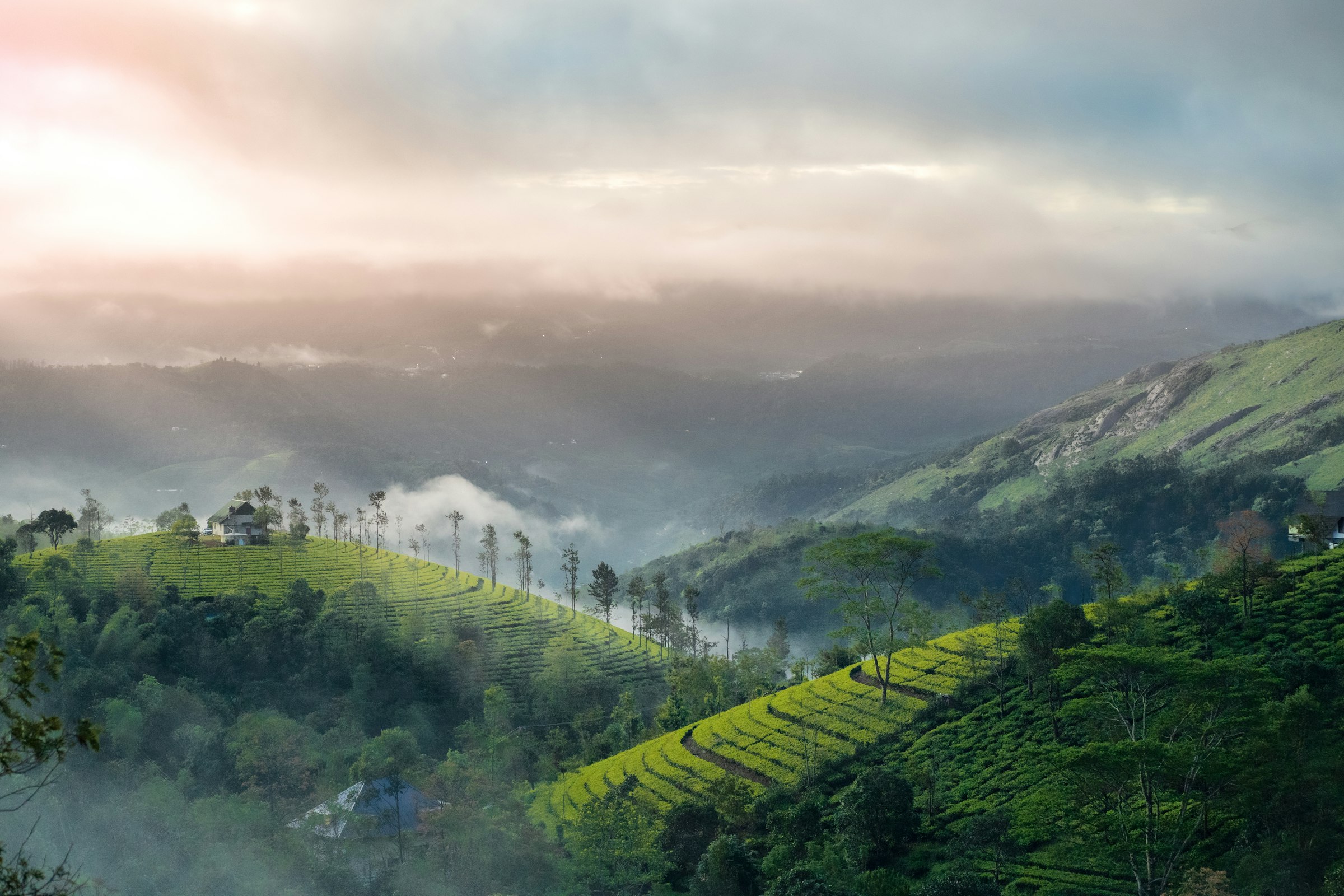
Estates & the spice hills
The spices that drew the world to this coast grow in the hills above it. We walk the estates with the families who farm them.
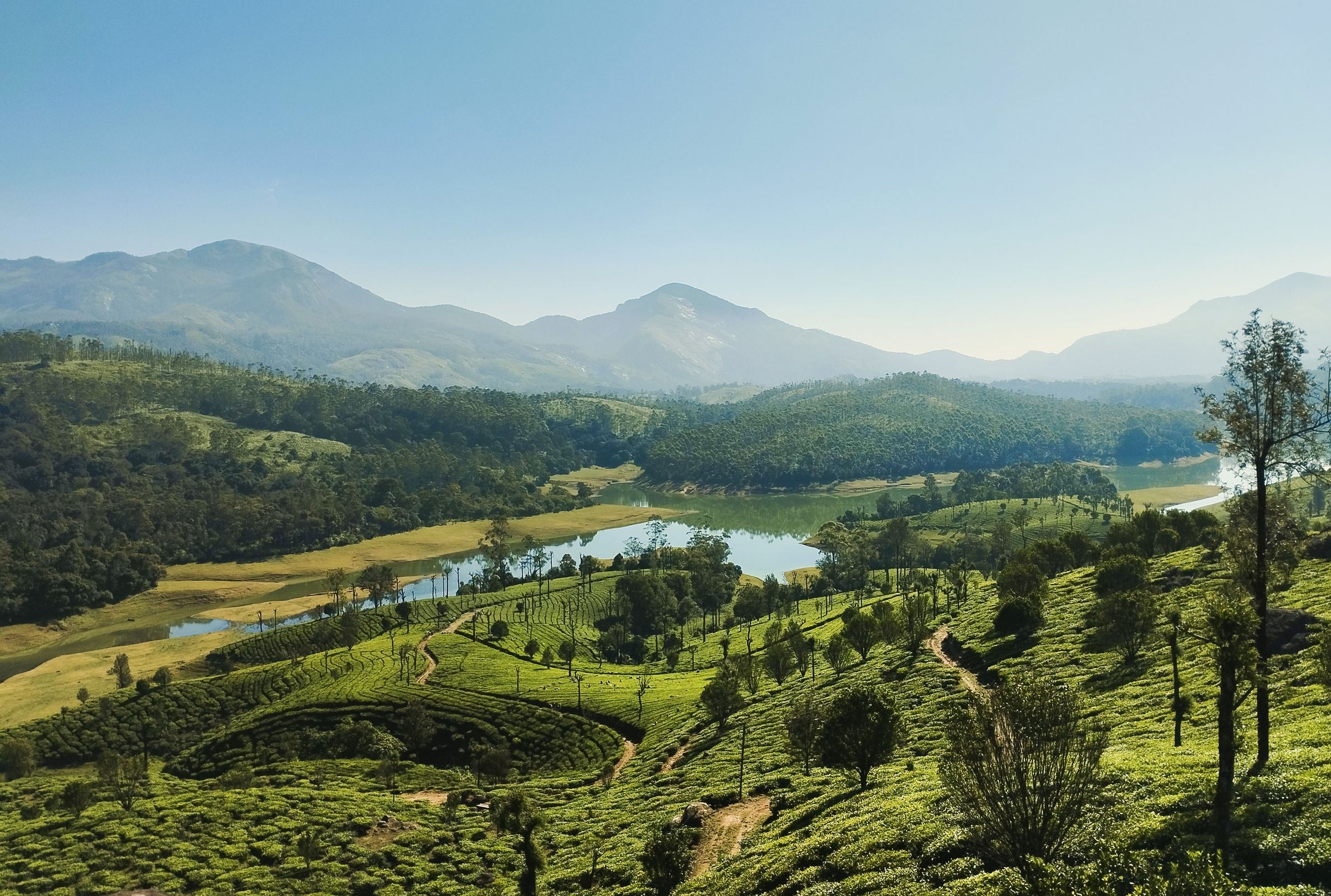
Munnar
Rolling ranges carpeted with some of the highest tea gardens in the world, laid out by British planters, with the rare Nilgiri tahr on the peaks above.
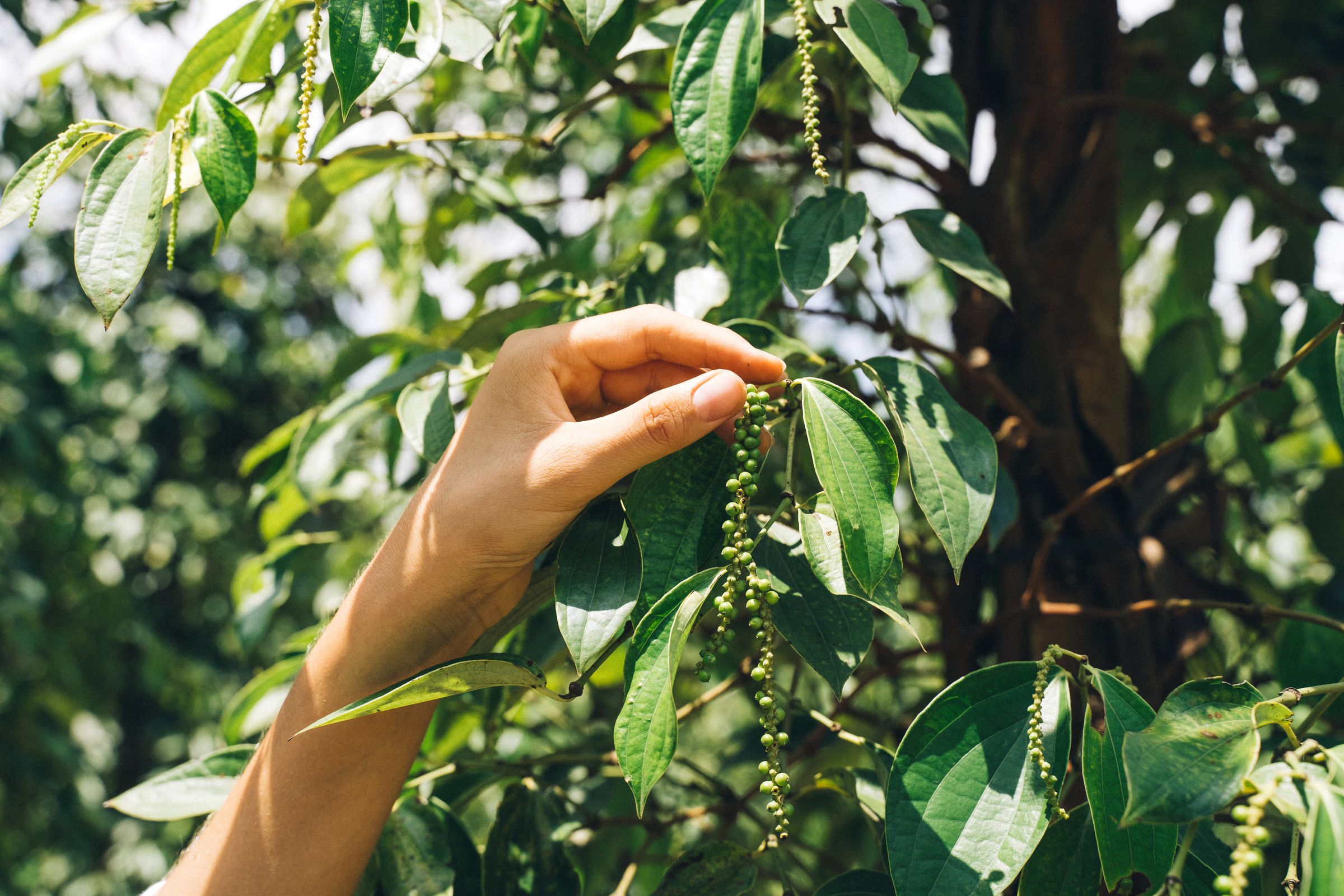
The spices, at source
Pepper, the coast's original 'black gold', with cardamom, clove, nutmeg, cinnamon and vanilla, walked, picked and cured with the growers, then tasted at the source.
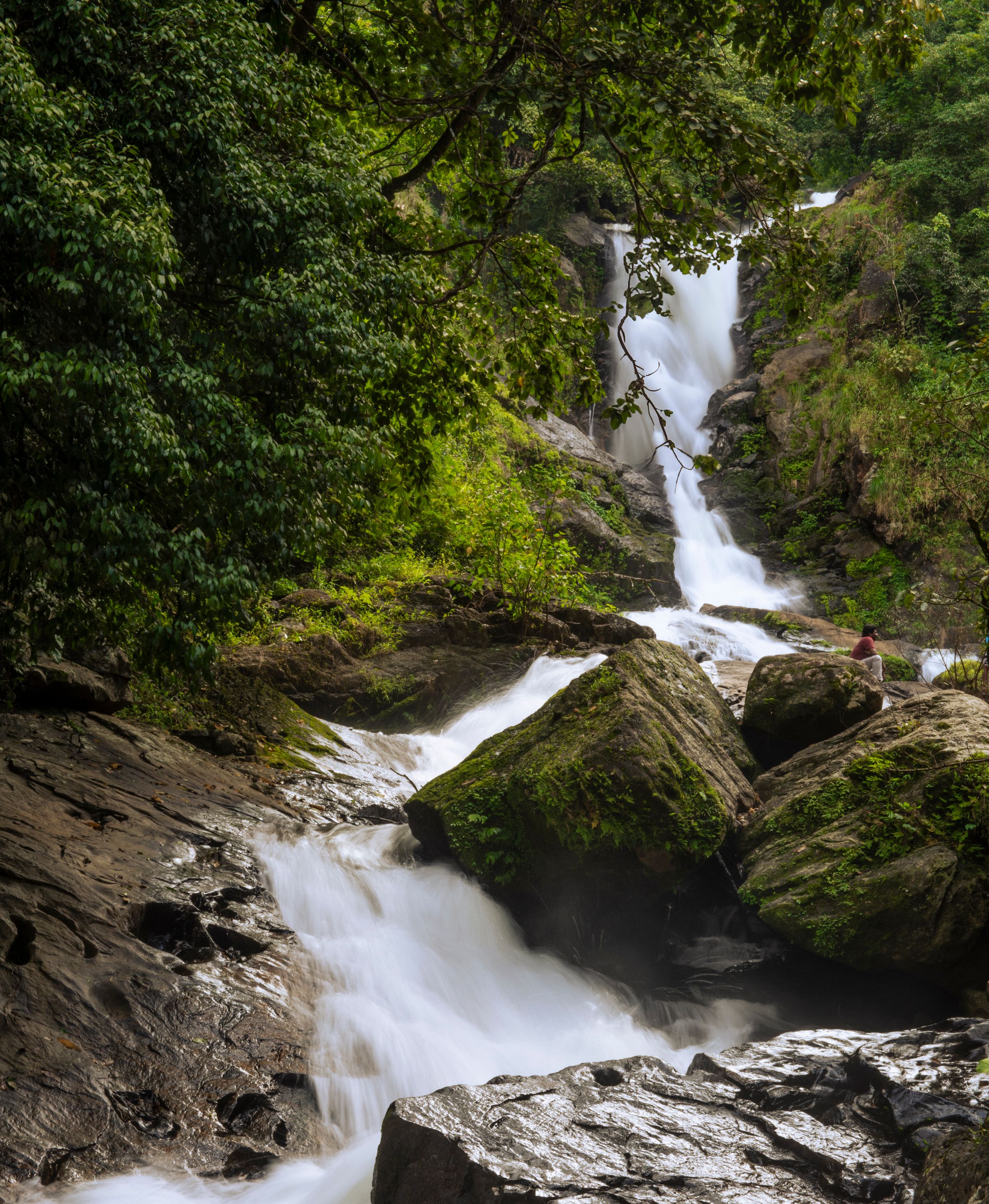
Wayanad
A cooler plateau of coffee, pepper and cardamom smallholdings, tribal heritage, and the Edakkal caves with their prehistoric rock carvings.
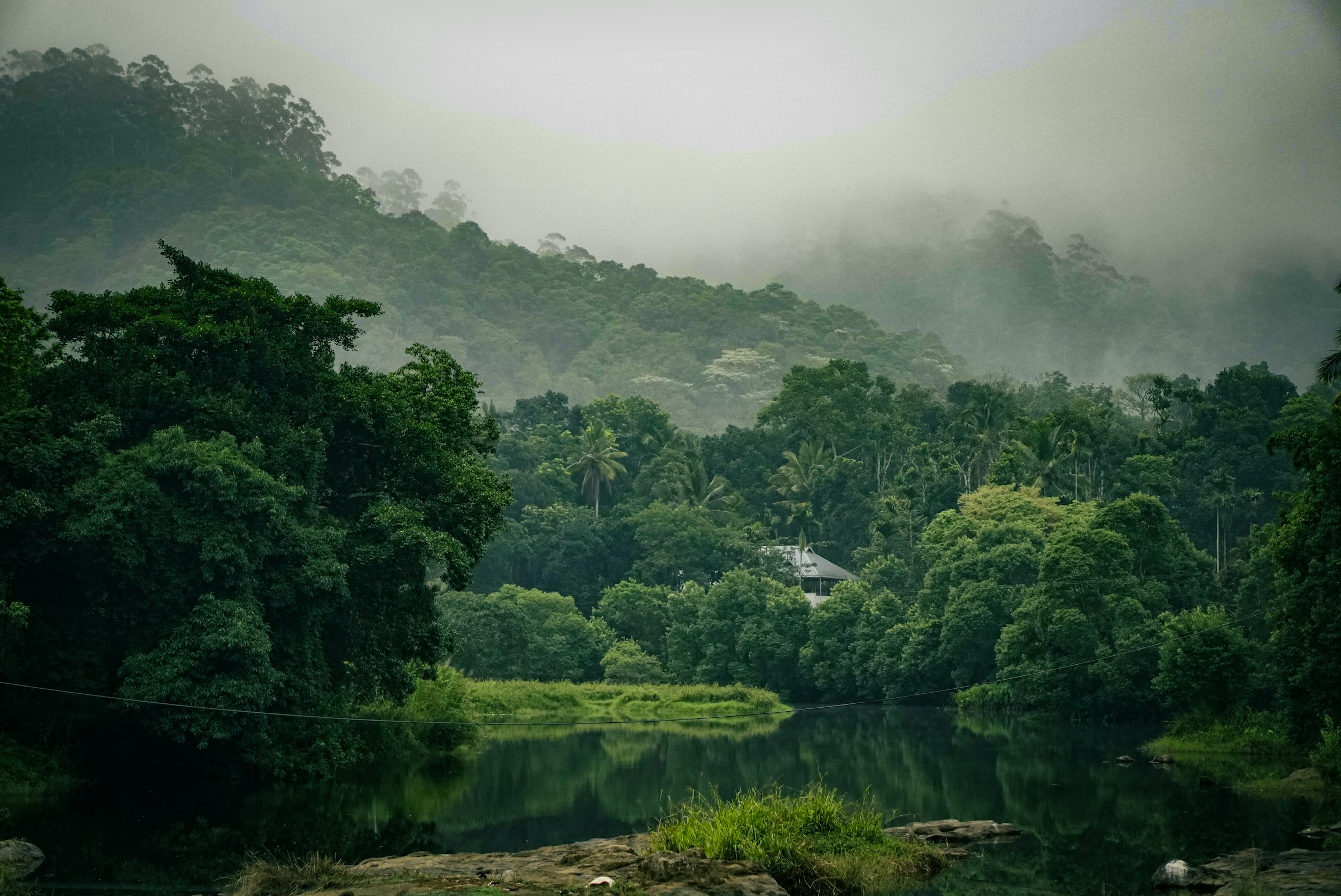
Thekkady & the Cardamom Hills
Spice country proper, all cardamom, pepper, clove and nutmeg, wrapped around the Periyar tiger reserve and its still lake.
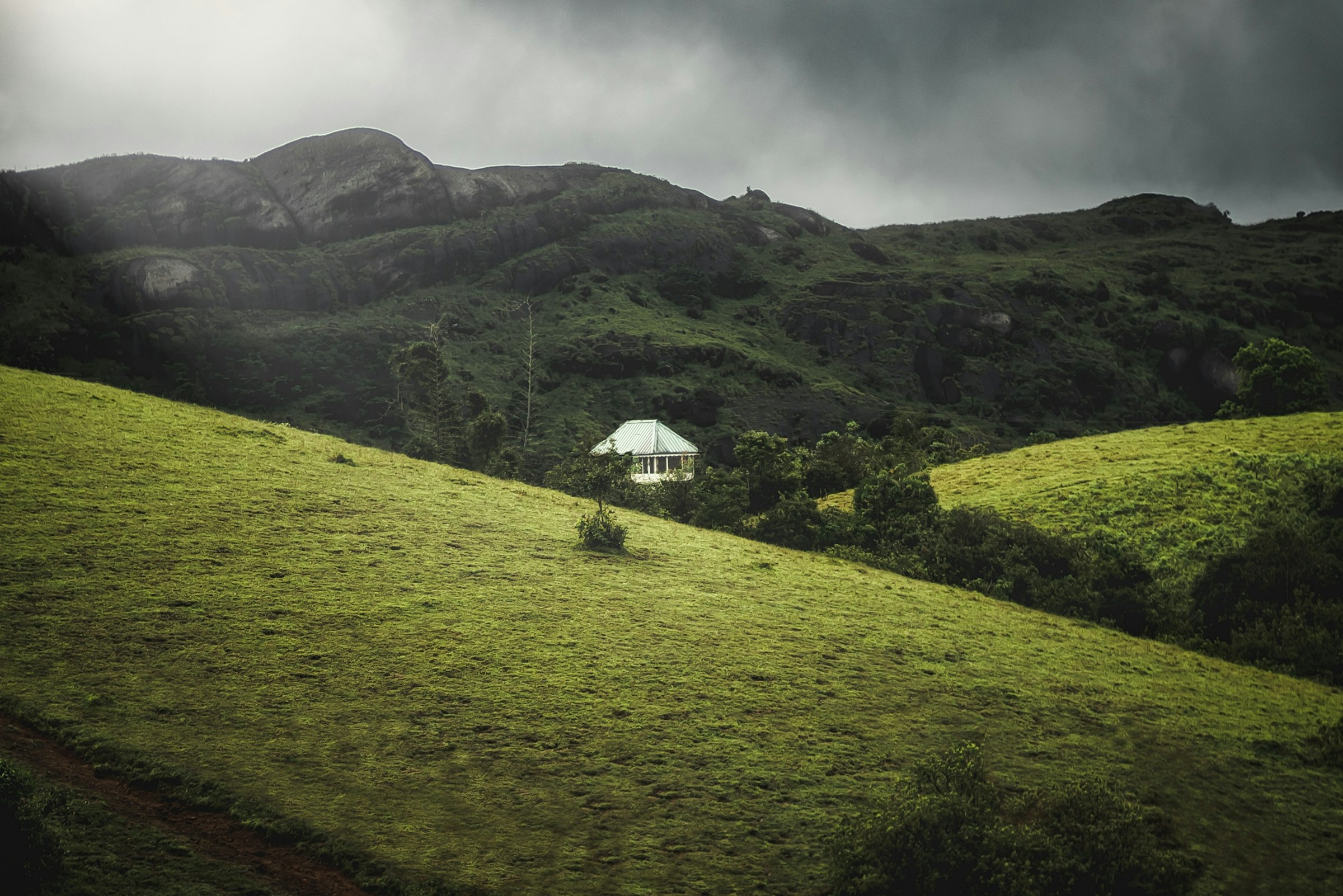
Vagamon & Nelliampathy
Quiet meadows, pine forest and tea gardens, for travellers who want the high ranges without the coaches.
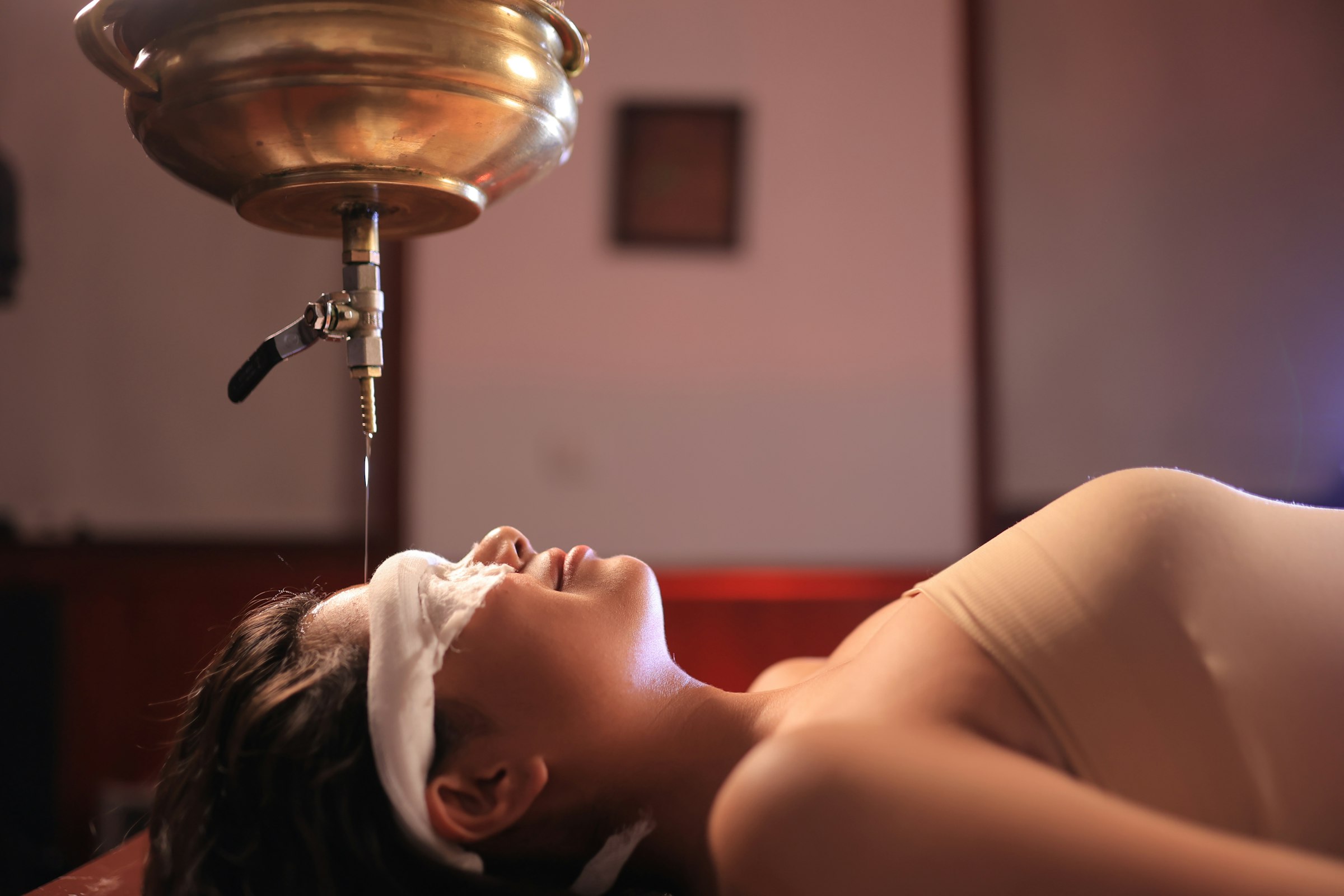
Ayurveda, actually practised
Ayurveda is Kerala's own medicine, a codified system with its own texts and lineage, not a spa treatment. We keep it honest and doctor-led.
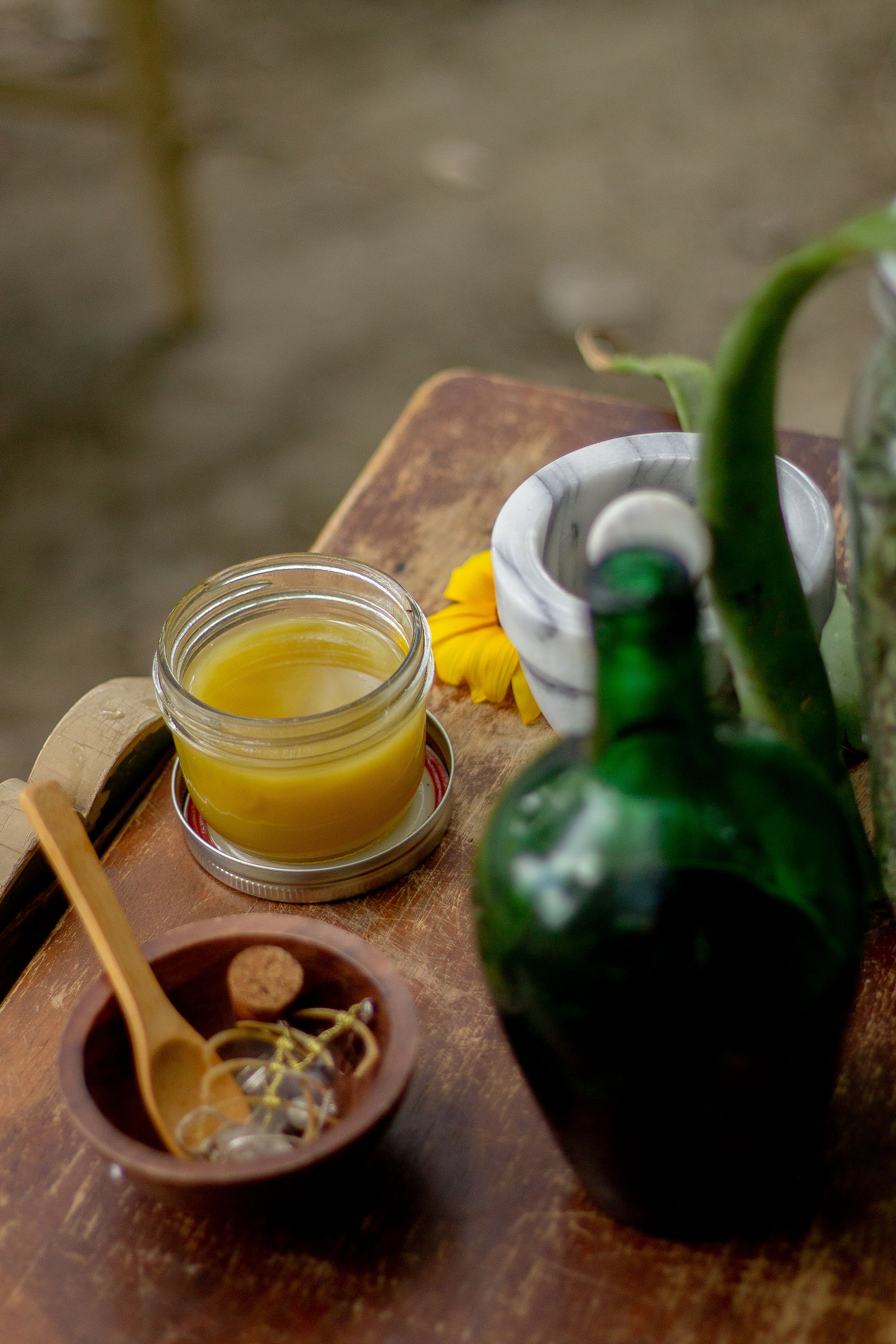
What Ayurveda actually is
A classical system of medicine several thousand years old. Kerala's Ashtavaidya physician families still practise it, and any real course begins with a reading of your individual constitution, never a menu.
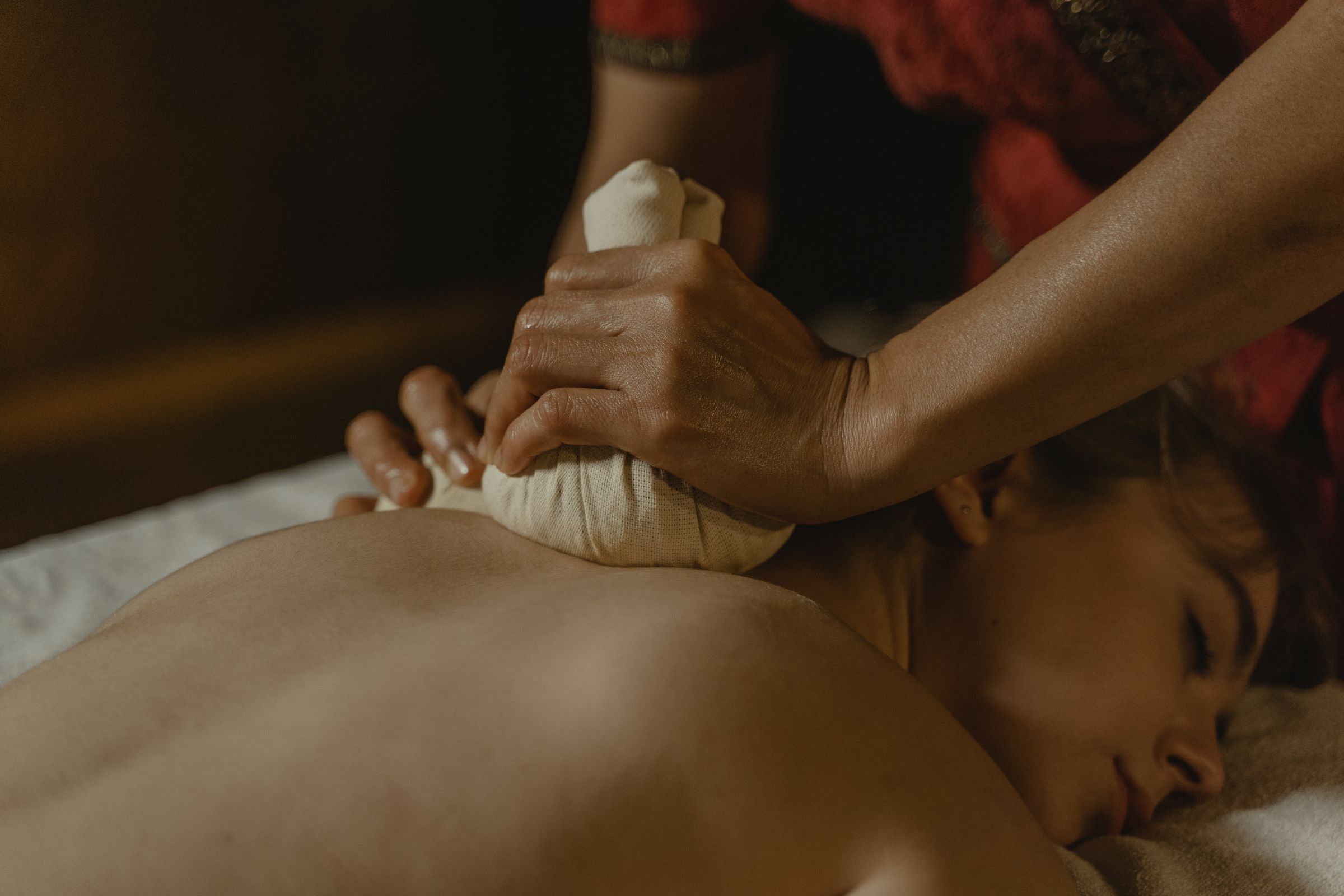
Panchakarma
The classical five-fold cleansing and rejuvenation therapies, carried out under supervision across days, not squeezed into a spa hour.
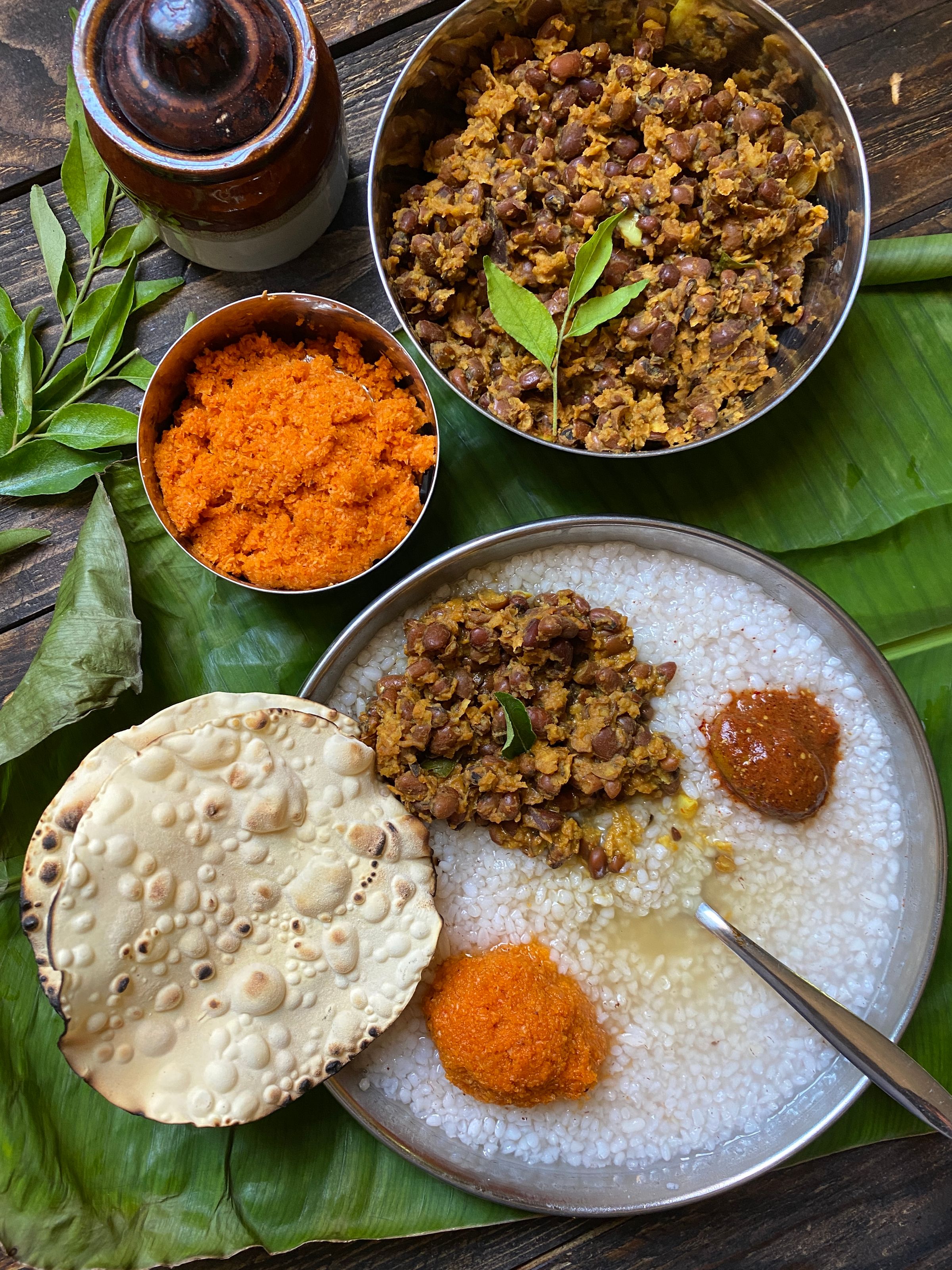
Diet & daily rhythm
Food, sleep and routine are part of the medicine here; the kitchen cooks to the doctor's brief rather than to a menu.
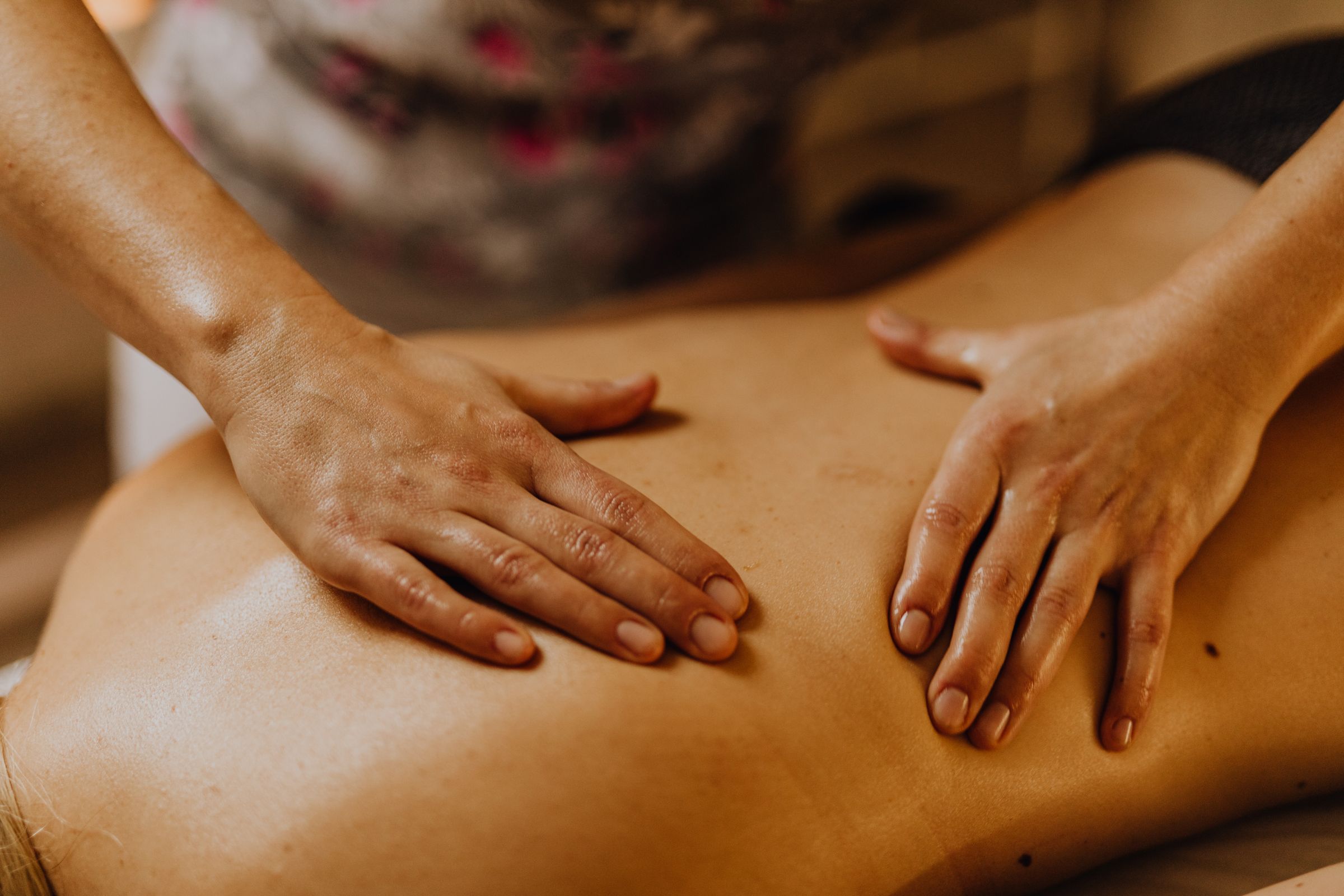
Marma therapy
Work on the body's vital points (marma), a tradition historically bound up with kalari, Kerala's ancient martial art.
Karkidakam, the monsoon cure
The Malayalam month of Karkidakam (roughly July–August) is the classical rejuvenation season, when the rains prime the body, the one time the off-season is in fact the right season to come.
Living crafts & their makers
Behind every image on this coast is a maker. We bring you into the workshops, not the souvenir stalls.
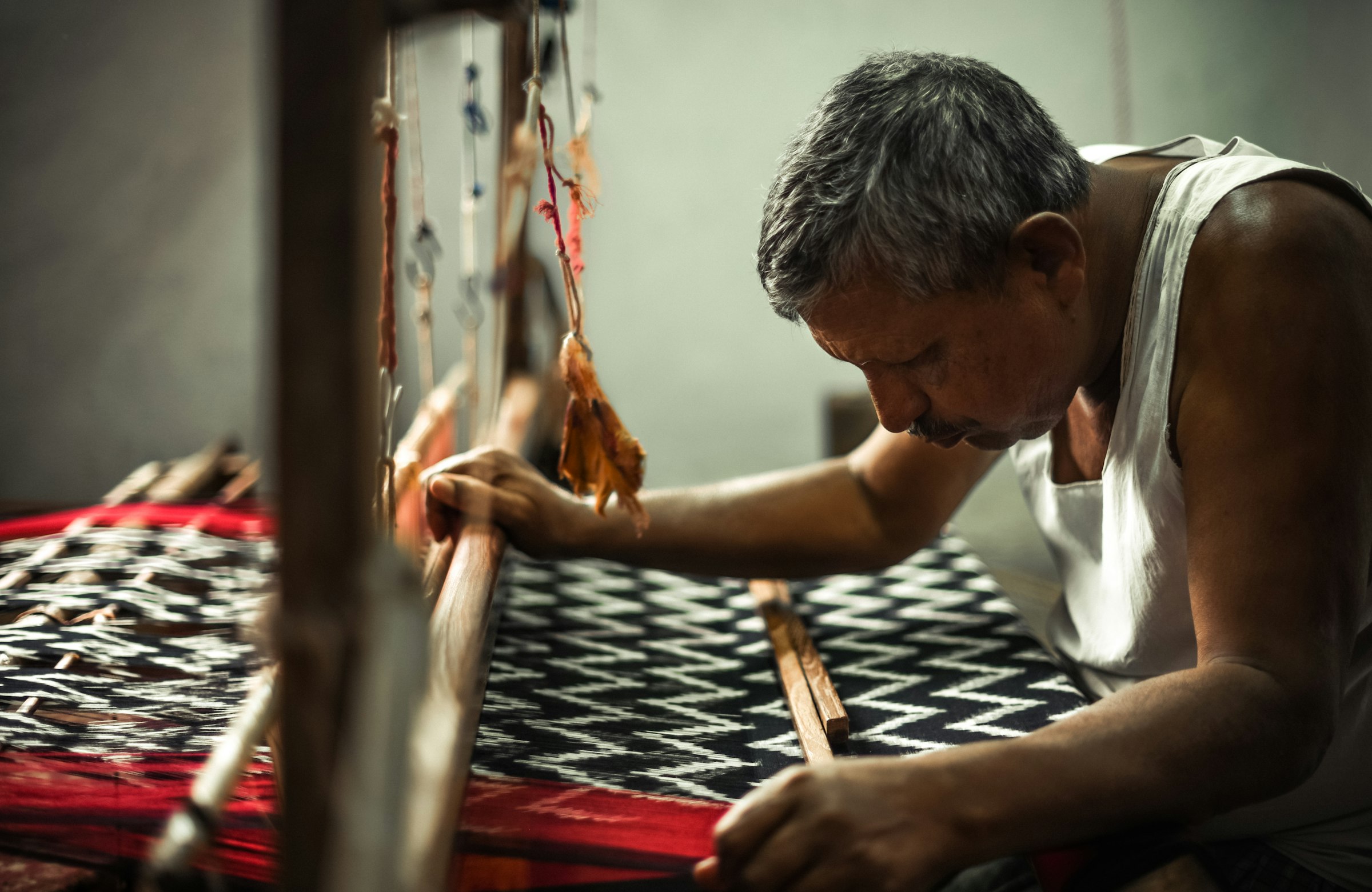
Kasavu handloom
The off-white cotton cloth with a woven gold border, Kerala's festival dress, still handwoven on pit looms in the three protected weaving villages: Balaramapuram, Chendamangalam and Kuthampully.
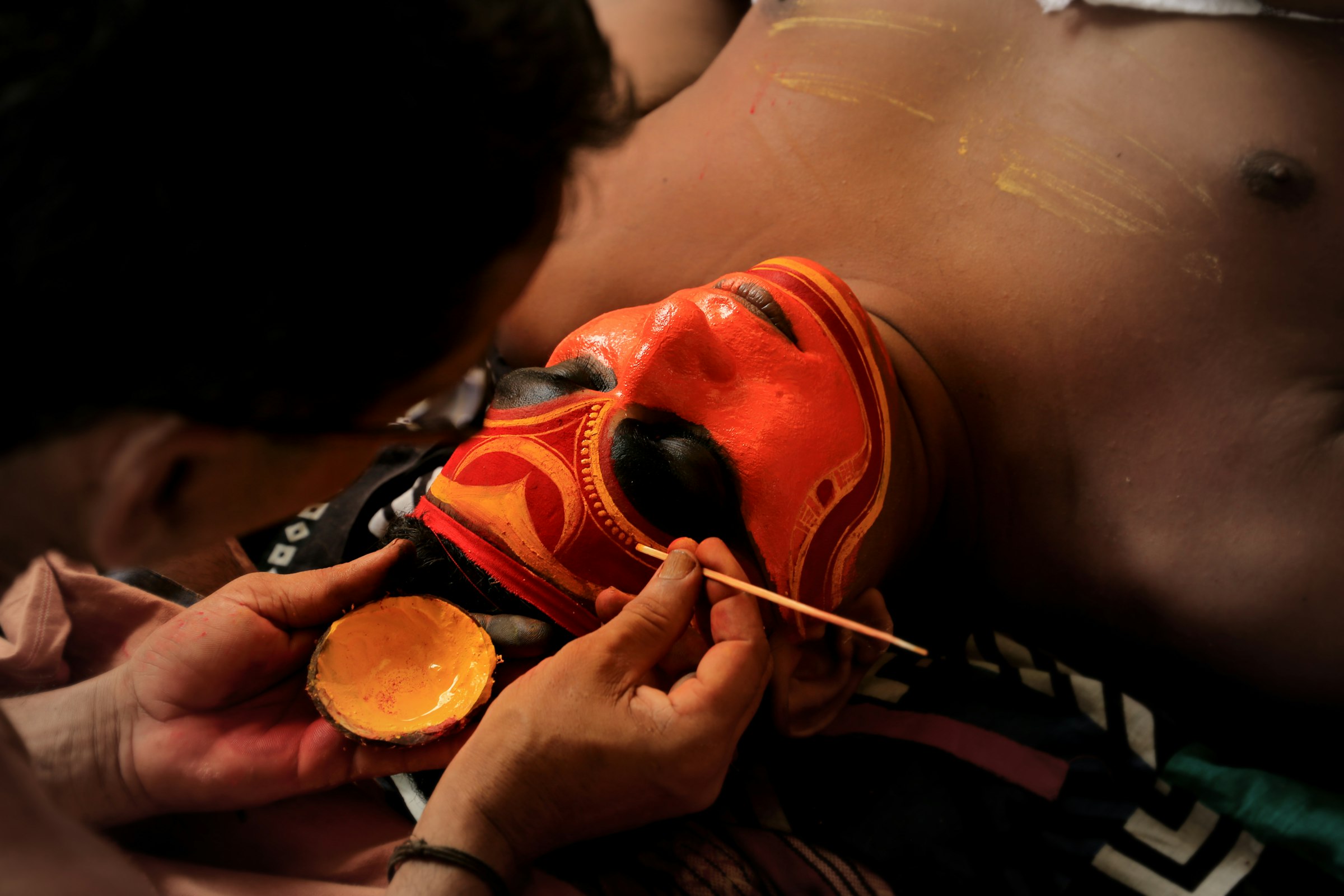
Kathakali chutti
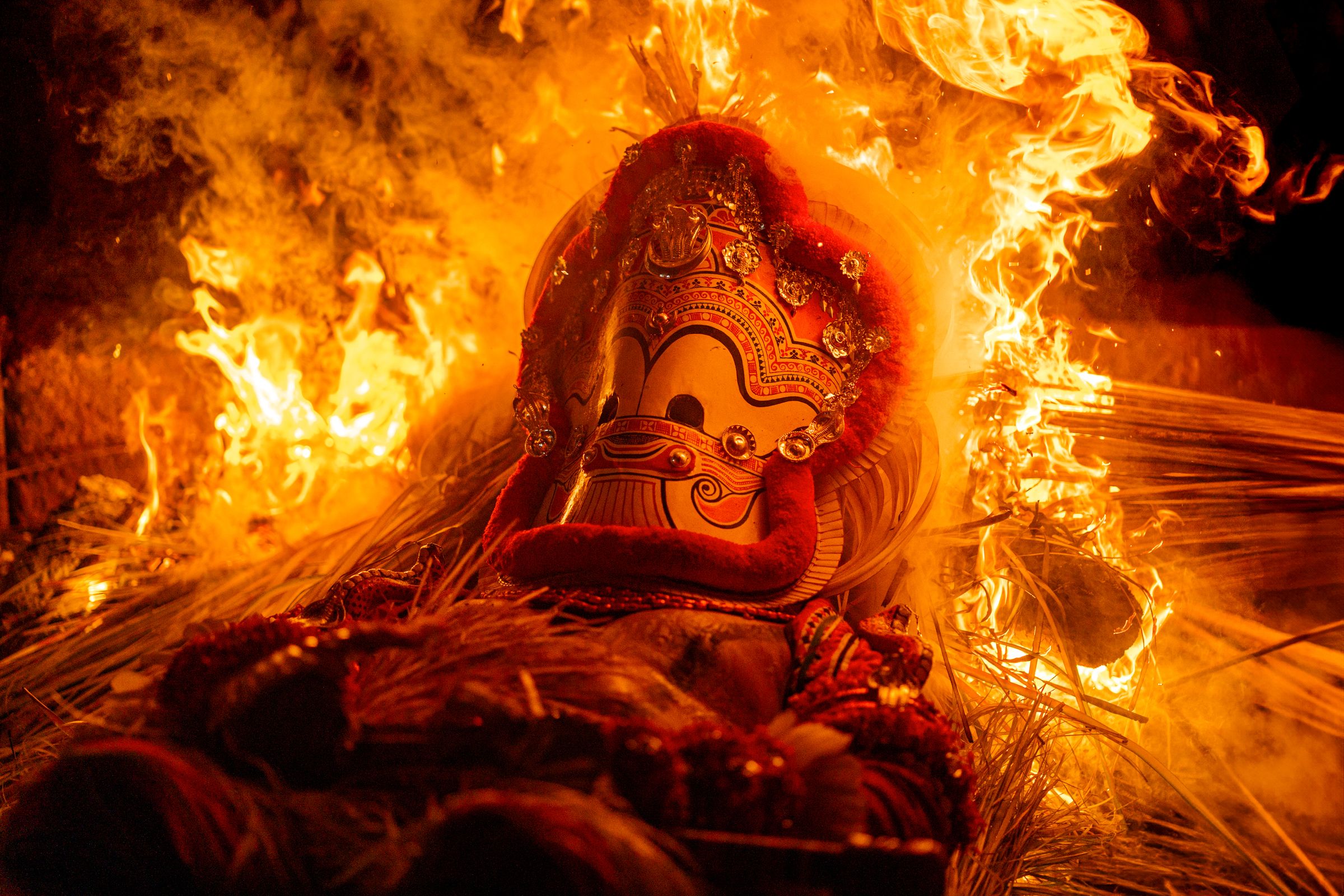
The sculpted white 'beard' and painted face of a Kathakali or Theyyam character, built up over hours from rice paste and mineral colour by specialist artists.
Temple mural painting
Deep-toned murals of gods and epics, painted with pigments ground from stone and plant, seen at Mattancherry Palace and Guruvayur and taught the classical way.
Aranmula kannadi
A mirror made not of glass but polished metal alloy, produced by a single lineage of families in Aranmula and made nowhere else on earth.
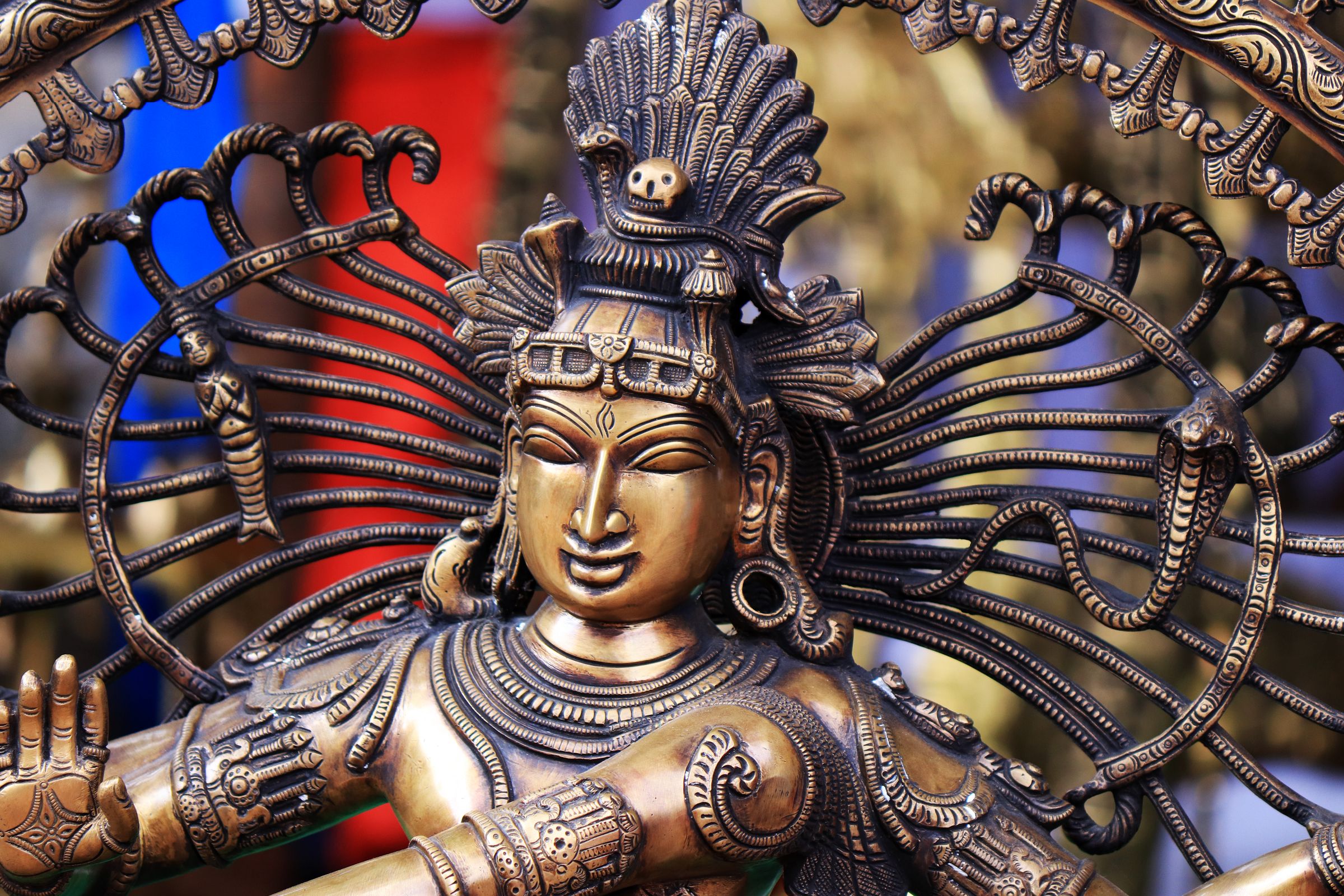
Bell-metal & lamps
Bronze oil lamps (nilavilakku), cooking urulis and temple vessels, cast in the old foundry towns of Mannar and Nadavaramba, and the moosari bronze-workers of Kunhimangalam in the far north.
Beypore uru
At Beypore near Kozhikode, shipwrights still build the uru, the great wooden dhow of the Arabian Sea trade, by hand and by eye from Malabar teak, a craft the Gulf still orders and few places on earth still keep.
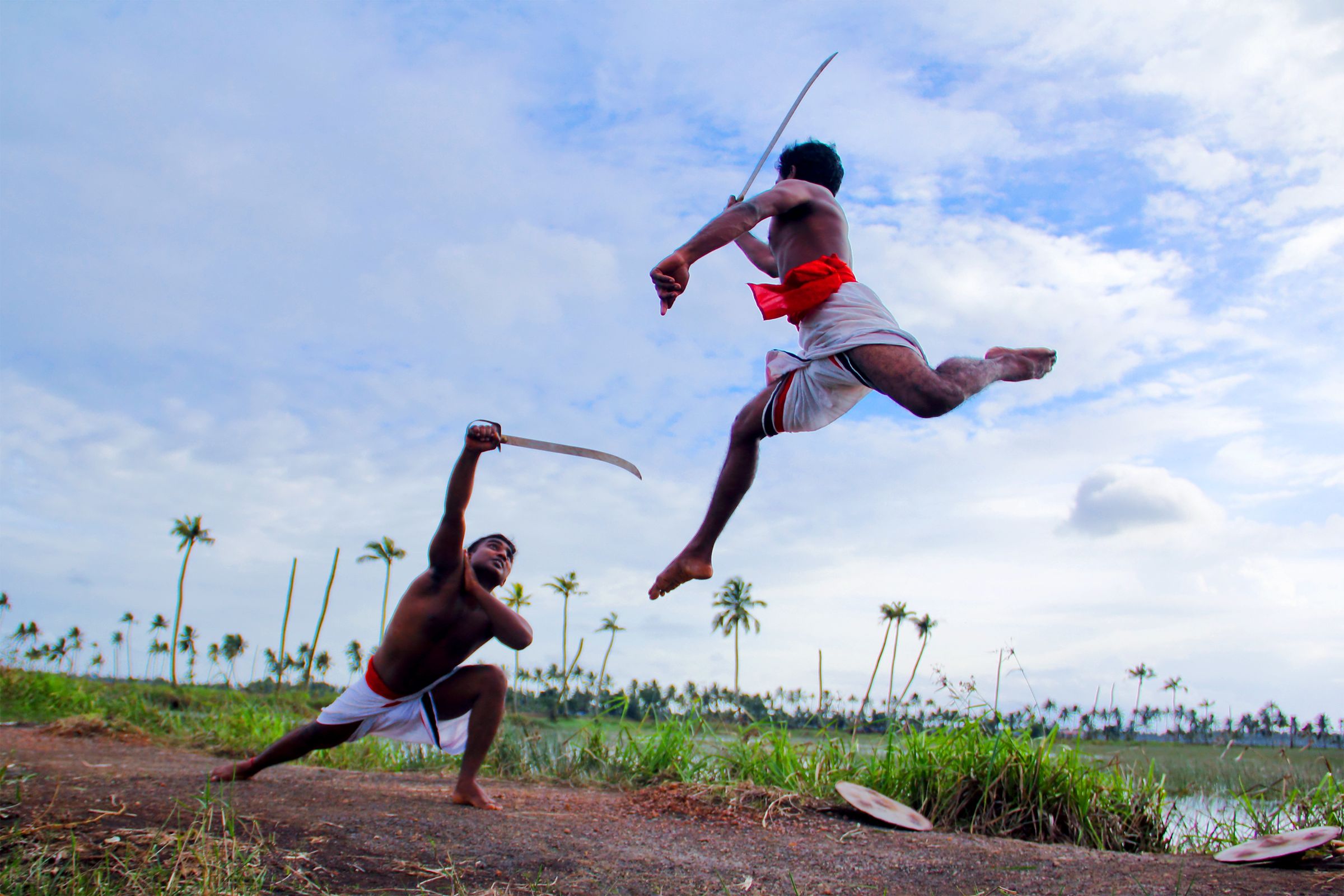
Kalaripayattu
One of the world's oldest martial arts, trained at dawn in a sunken earthen pit before a guardian shrine. The gurukkal who holds the lineage teaches bare-hand forms, sword and shield and the flexible urumi, and the same knowledge of the body's vital points (marma) feeds the bone-setting and oil therapy that still heals the region. We take you to a genuine kalari, never a staged show.
Coir & screwpine
Rope and matting twisted from coconut husk in Alleppey, and mats woven from wild screwpine in the backwater villages.
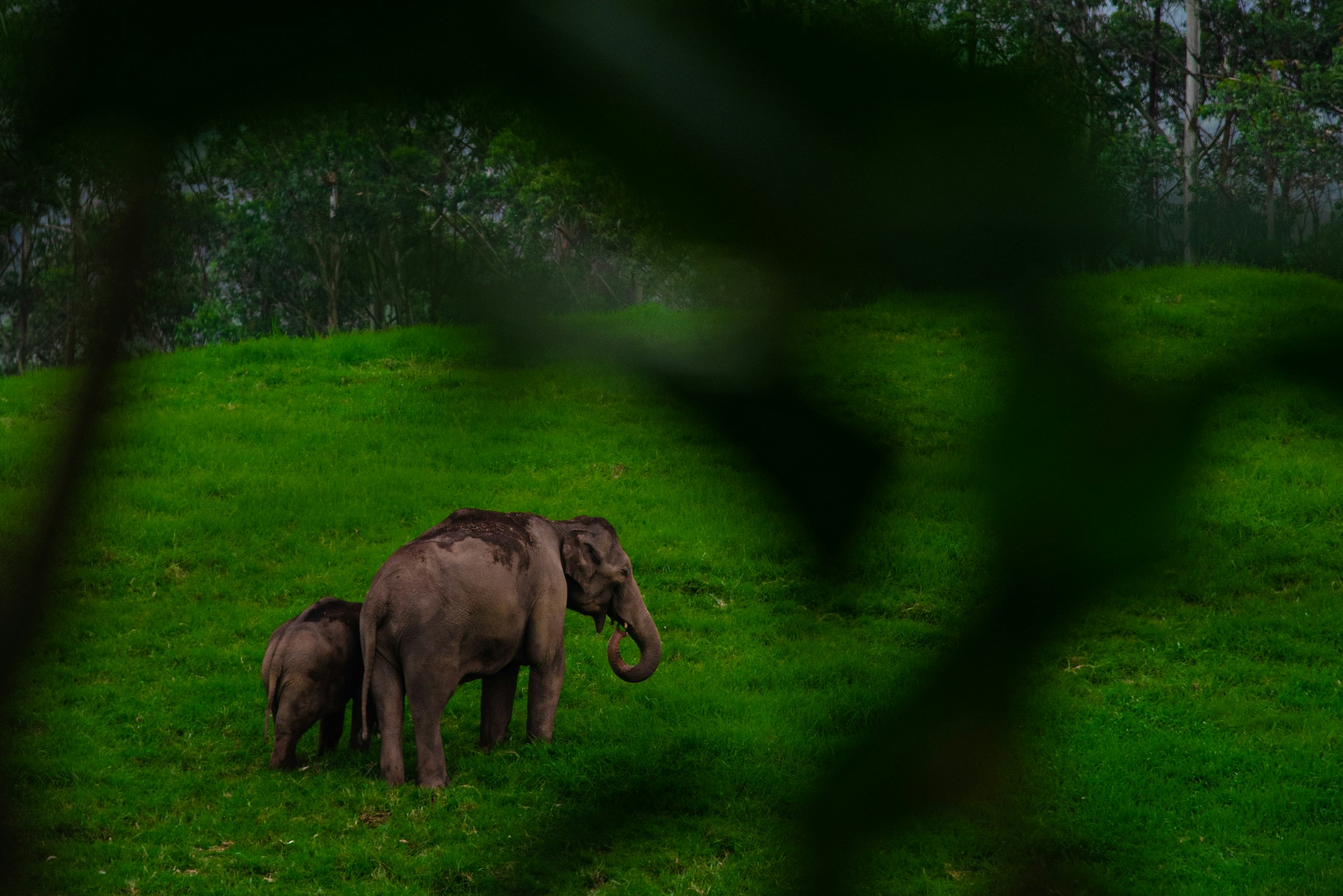
The wild Ghats, walked slowly
The Ghats are older than the Himalayas and far richer in life. We show them the slow way, led by people who know them, not through a windscreen.
The Western Ghats
A 1,600 km chain running down India's south-west flank, a UNESCO World Heritage Site and one of the world's great biodiversity hotspots, with hundreds of species found nowhere else on earth.
Periyar, on foot
A tiger reserve wrapped around a still lake at Thekkady, best met on a guided walk or the Tiger Trail with reformed-poacher guides. Elephant, gaur, langur and hornbill are the real sightings; the tiger is a rumour you walk inside.
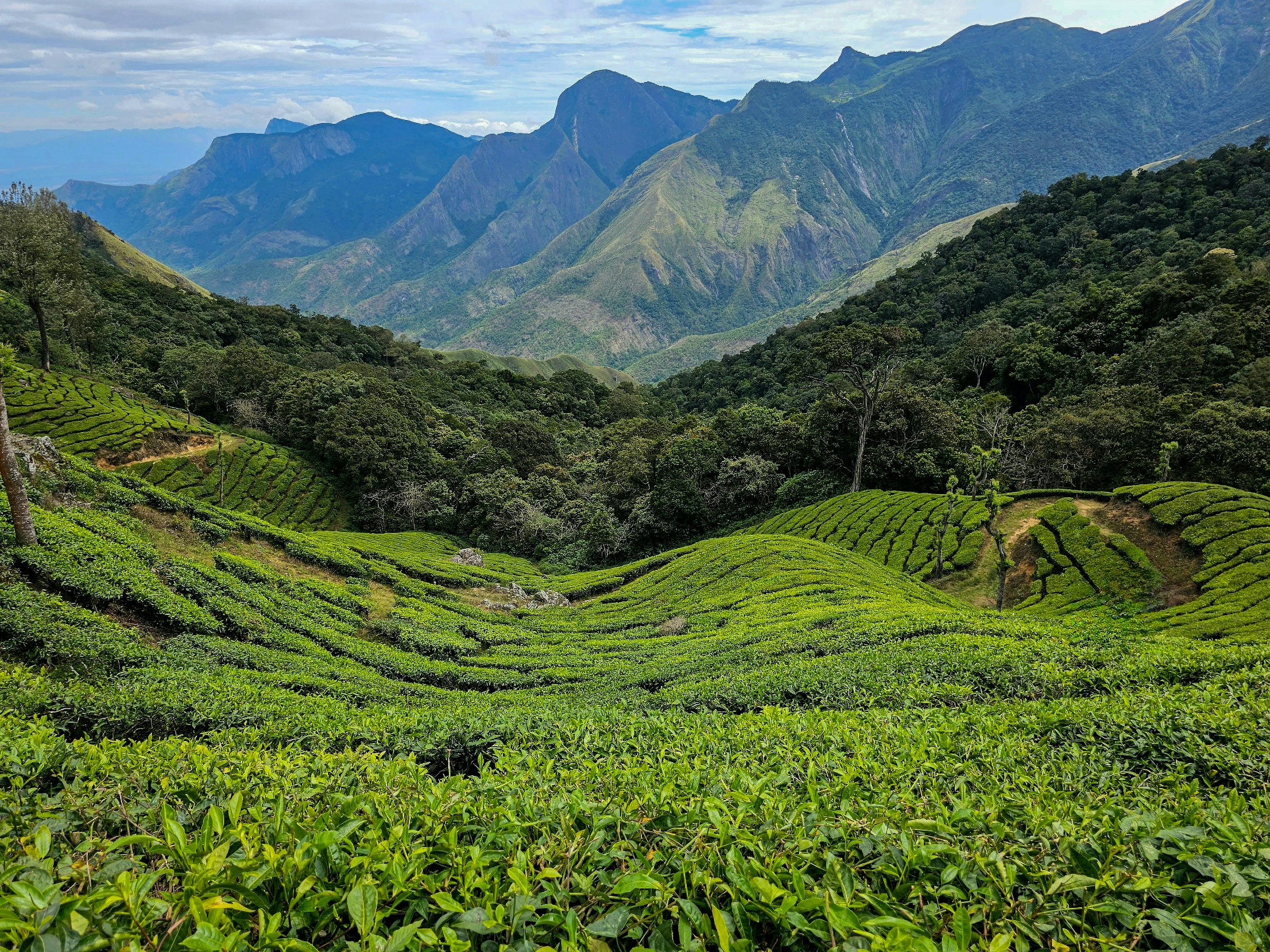
Eravikulam & Anamudi
High rolling grassland above Munnar that shelters the endangered Nilgiri tahr, beneath Anamudi at 2,695 m, the highest peak in India outside the Himalayas.
Neelakurinji
Roughly once every twelve years these slopes turn violet-blue as the kurinji flowers en masse; the next great bloom is expected around 2030.
Thattekad, for birds
Kerala's first bird sanctuary, in the foothills, and its finest birding. A dawn walk here with a good guide turns up dozens of species, many of them endemic to the Ghats.
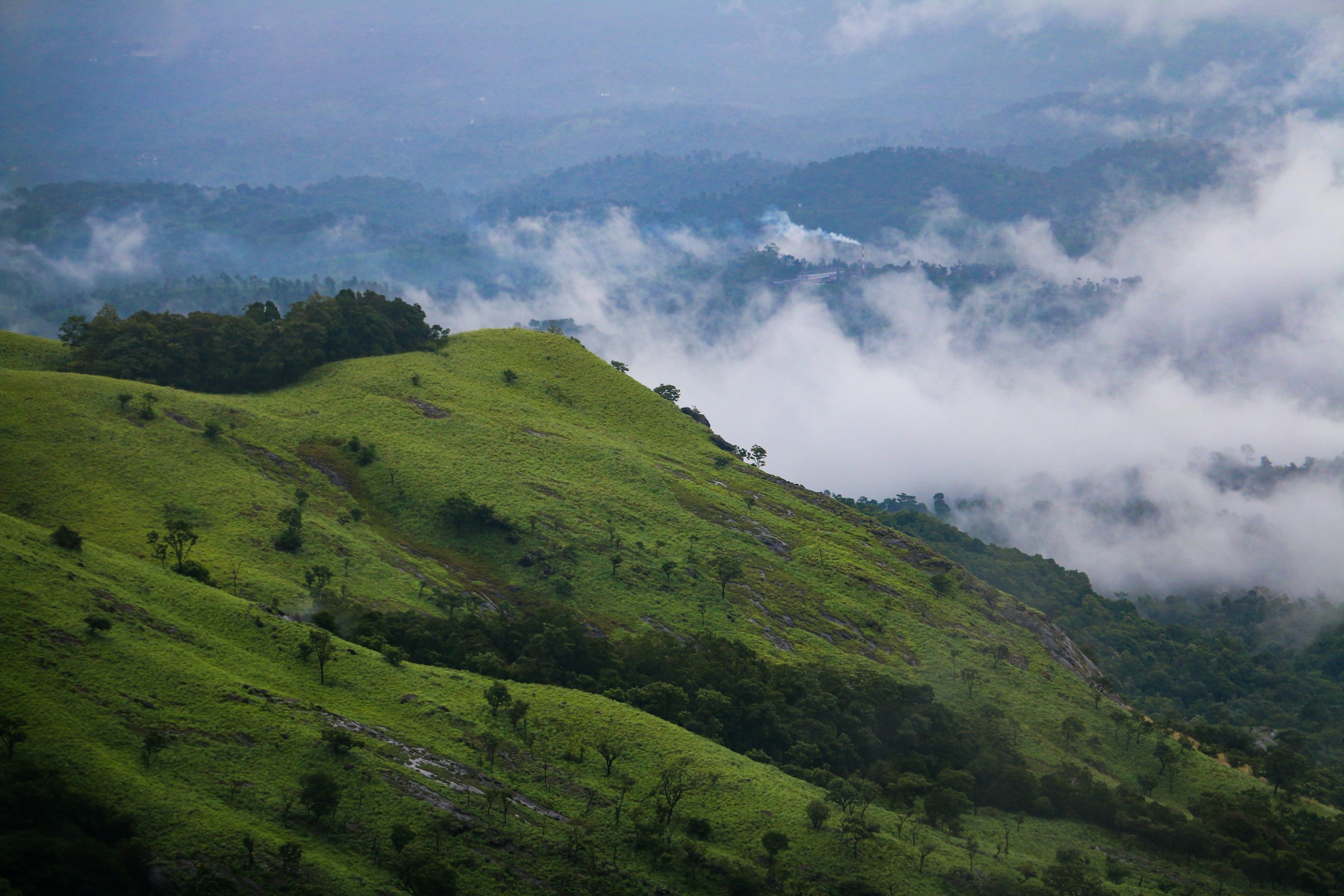
Wayanad's forests
Plateau sanctuaries where elephant herds move between Kerala, Karnataka and Tamil Nadu, alongside the tribal heartland and the prehistoric Edakkal caves.
Silent Valley
One of the last stretches of undisturbed tropical rainforest in India, saved from a dam in the 1980s, and home to the rare lion-tailed macaque.
Athirappilly
Kerala's widest waterfall, where the Chalakudy river drops through rainforest at the edge of the Vazhachal range; loud, green and cinematic.
This is the shape. Yours is drawn from scratch.
Tell us who is travelling and what moves you. We build the journey around it.
Open a correspondence →